In the realm of electrical infrastructure, the significance of medium voltage switchgear in hazardous areas cannot be overstated. As a seasoned medium voltage switchgear supplier, I’ve witnessed firsthand the critical role that these components play in ensuring the safe and efficient operation of various industrial facilities. In this blog, I aim to delve into the explosion – proof requirements for medium voltage switchgear in hazardous areas, providing insights based on industry knowledge and real – world experiences. Medium Voltage Switchgear

Understanding Hazardous Areas
Before we discuss the explosion – proof requirements, it’s essential to understand what constitutes a hazardous area. Hazardous areas are locations where there is a possibility of the presence of flammable gases, vapors, mists, or combustible dusts. These areas are classified based on the frequency and duration of the presence of the explosive atmosphere. In most international standards, zones are defined for gas – based hazardous areas (Zone 0, Zone 1, and Zone 2) and dust – based hazardous areas (Zone 20, Zone 21, and Zone 22).
Zone 0 is an area where an explosive gas atmosphere is present continuously or for long periods. Zone 1 is where an explosive gas atmosphere is likely to occur in normal operation, and Zone 2 is an area where an explosive gas atmosphere is not likely to occur in normal operation and, if it occurs, will exist only for a short time. Similarly, Zone 20 is an area where combustible dust is present continuously, or for long periods, or frequently. Zone 21 is where combustible dust is likely to occur in normal operation, and Zone 22 is where combustible dust is not likely to occur in normal operation and, if it occurs, will exist only for a short time.
General Explosion – Proof Concepts
The fundamental principle behind explosion – proof switchgear is to prevent the ignition of the explosive atmosphere in the surrounding environment. There are several techniques used to achieve this:
Intrinsic Safety (Ex i)
This is a technique where the energy in electrical circuits is limited to a level where it cannot cause ignition of the explosive atmosphere. Intrinsic safety is often used in low – power circuits such as control and instrumentation circuits. For medium voltage switchgear, while pure intrinsic safety may not be applicable for the high – power switching elements, it can be used for associated control and monitoring circuits.
Flameproof Enclosures (Ex d)
Flameproof enclosures are designed to contain an explosion that may occur inside the enclosure and prevent the transmission of the explosion to the surrounding explosive atmosphere. The enclosure must be able to withstand the internal explosion pressure without bursting and have flame paths that cool the hot gases released during the explosion to a temperature below the ignition temperature of the surrounding explosive atmosphere.
Increased Safety (Ex e)
Increased safety is used to reduce the likelihood of ignition sources such as excessive temperatures, electrical arcs, or sparks. This is achieved by using higher – quality components, better insulation, and additional protective measures. In medium voltage switchgear, increased safety can be applied to components like terminal connections, cabling, and auxiliary circuits.
Powder Filling (Ex q)
Powder filling is a method where the electrical equipment is filled with a powder that prevents the spread of an explosion and reduces the risk of ignition. This method is mainly used for some types of electrical components and may not be the primary method for medium voltage switchgear but can be used in combination with other techniques.
Specific Explosion – Proof Requirements for Medium Voltage Switchgear
Enclosure Design
The enclosure of medium voltage switchgear in hazardous areas must meet strict design requirements. For flameproof enclosures (Ex d), the thickness of the enclosure walls is crucial. It must be sufficient to withstand the maximum internal explosion pressure. The joints and seams in the enclosure are also critical. Flame paths with specific dimensions and surface finishes are required to ensure that the hot gases are cooled down before they can ignite the surrounding explosive atmosphere.
The enclosure should also be resistant to corrosion, as many hazardous areas are in harsh industrial environments. This can be achieved through proper coating or using corrosion – resistant materials such as stainless steel. Additionally, the enclosure should be sealed to prevent the ingress of dust and moisture, which could affect the performance of the switchgear and potentially increase the risk of ignition.
Electrical Insulation
Electrical insulation is of utmost importance in medium voltage switchgear, especially in hazardous areas. High – quality insulation materials are required to prevent electrical arcing and short – circuits, which could serve as ignition sources. The insulation must be able to withstand the operating voltage and any transient overvoltages that may occur. Moreover, the insulation should be resistant to the effects of the hazardous environment, such as chemical exposure, temperature variations, and mechanical stress.
Switching Elements
The switching elements in medium voltage switchgear, such as circuit breakers and contactors, must be designed to minimize the generation of arcs. Arcing can produce high temperatures and energy, which can ignite the explosive atmosphere. Modern switchgear often uses techniques like vacuum interrupters or gas – filled interrupters to interrupt the current with minimal arcing. The switching mechanisms should also be reliable and have a long service life to ensure the continued safe operation of the switchgear.
Control and Monitoring Systems
Control and monitoring systems are essential for the proper operation of medium voltage switchgear. In hazardous areas, these systems must also meet explosion – proof requirements. Intrinsic safety can be applied to the control and monitoring circuits to ensure that they do not pose an ignition risk. Additionally, the sensors and instruments used in these systems should be able to tolerate the harsh environment and provide accurate and reliable data.
Standards and Certifications
Compliance with international and national standards is crucial for medium voltage switchgear used in hazardous areas. Standards such as IEC 60079 series (for explosive atmospheres) and relevant national standards like NEC (National Electrical Code) in the United States provide detailed requirements for explosion – proof equipment.
Certifications from recognized organizations are also important. For example, ATEX (European Union) and UL (United States) certifications indicate that the switchgear has been tested and found to meet the relevant explosion – proof requirements. These certifications give customers confidence in the safety and quality of the switchgear.
Case Studies
Let me share a couple of real – world case studies to illustrate the importance of meeting explosion – proof requirements for medium voltage switchgear.
In an oil refinery, a medium voltage switchgear was installed in a Zone 1 hazardous area without proper explosion – proof design. A short – circuit occurred inside the switchgear, and the resulting arc ignited the flammable gas in the surrounding environment. This led to a significant explosion and fire, causing extensive damage to the facility and disruption of operations. After the incident, the switchgear was replaced with equipment that met the strict explosion – proof requirements. Since then, the refinery has operated safely without any further incidents related to switchgear – induced explosions.
In a chemical plant, a medium voltage switchgear with intrinsic safety – based control circuits was installed in a dust – filled hazardous area (Zone 22). The control circuits were able to operate safely without generating enough energy to ignite the combustible dust. This not only ensured the safety of the plant but also provided reliable control and monitoring of the electrical system.
Why Choose Our Medium Voltage Switchgear
As a medium voltage switchgear supplier, we understand the critical importance of meeting explosion – proof requirements in hazardous areas. Our switchgear is designed and manufactured to the highest international standards. We use state – of – the – art technology and high – quality materials to ensure the safety and reliability of our products.
Our engineering team has extensive experience in designing explosion – proof switchgear for various hazardous environments. We can provide customized solutions based on the specific requirements of your project, whether it’s a gas – based or dust – based hazardous area.
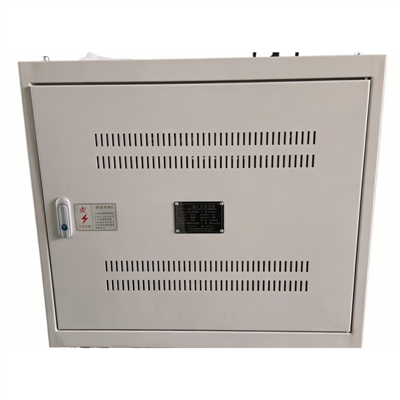
We also offer comprehensive after – sales service, including installation, maintenance, and troubleshooting. Our goal is to ensure that your medium voltage switchgear operates safely and efficiently throughout its service life.
Outdoor Prefabricated Enclosed Ring Main Unit If you are in need of medium voltage switchgear for hazardous areas, we invite you to contact us for a procurement discussion. We are committed to providing you with the best solutions that meet your safety and operational needs.
References
- IEC 60079 series of standards on explosive atmospheres
- National Electrical Code (NEC)
- "Electrical Equipment for Explosive Gas Atmospheres" by various industry publications
Huachi Electric Co., Ltd.
We’re well-known as one of the leading medium voltage switchgear manufacturers in China, featured by quality products and good service. Please rest assured to buy customized medium voltage switchgear made in China here from our factory. Contact us for more details.
Address: Plastic Park, Tongyu Street, Luqiao District, Taizhou City, Zhejiang Province
E-mail: HCDQ2026@163.com
WebSite: https://www.huachi-electric.com/
