Hey everyone, if you’ve ever worked on building something, fixing a car, or even crafting a custom part for a hobby project, chances are you’ve dealt with metals. But here’s a question I get all the time from new customers: why go with an alloy instead of a pure metal like copper, iron, or aluminum? Let me break this down straight—no stuffy textbook jargon, just what I see every day as an alloy supplier. Alloy

First, let’s keep it real: pure metals sound great on paper, right? They’re shiny, consistent, and easy to grasp. But the thing is, pure metals have flaws that make them almost useless for most real-world jobs. Take pure iron, for example. It’s soft, bends way too easily, and rusts faster than a bike left out in the rain. Pure copper is awesome for wiring, but it dents like a soda can if you so much as drop a small tool on it. Pure aluminum? Light, but it scratches like crazy and can’t handle high heat without warping.
That’s where alloys come in. An alloy is just a mix of two or more elements—at least one of them being a metal. I get to see the different mixes we make every week: sometimes it’s steel (iron + carbon, plus a little something extra), sometimes it’s brass (copper + zinc), sometimes it’s aluminum with a dash of magnesium and silicon. But why does this mix matter? Let’s start with strength. That’s the big one. When you add even a tiny amount of a different element to a pure metal, it messes up the neat, uniform structure of the metal’s atoms. Those different atoms get in the way, so the layers of metal atoms can’t slide past each other as easily. No more bending out of shape like a wet noodle. Last month, we supplied a high-strength aluminum alloy to a local aerospace shop—they needed parts for a small drone that could take a hit and not break. If they’d used pure aluminum, a minor crash would have crumpled the frame. With our alloy, the part survived a test drop from 20 feet, no problem. That’s the kind of difference I’m talking about.
Next up: durability, especially against heat and corrosion. Pure metals just don’t hold up when conditions get tough. Let’s say you’re making a part for a kitchen appliance—like a stovetop burner. Pure iron would oxidize (rust) within months of being exposed to heat and water. But if you mix iron with chromium and nickel, you get stainless steel. That’s our best-seller, hands down. We supply stainless steel coils to commercial appliance makers all over the country, and their parts last for years, not months. Another example: brass. Pure copper tarnishes super fast, turning that dull brown color no one wants. Add zinc, and you get brass, which resists tarnish way better. It’s why doorknobs, musical instruments, and plumbing fittings are almost always brass—they look good and don’t corrode even in damp bathrooms or kitchens. We also make heat-resistant alloys for car engines. Pure titanium melts at a lower temperature than we need for turbo parts, but mix it with a little nickel, and suddenly it can handle the extreme heat of a running engine without warping or failing. That means fewer breakdowns, less maintenance, and a part that lasts the life of the car.
Wait, let’s not forget about customizability. Here’s the thing about alloys: we can tweak them to do exactly what a customer needs. It’s like having a metal that’s built to order. Let’s say a customer comes to me and says, “I need a metal for a medical tool—has to be sterilizable in high heat, non-toxic, and strong enough to not bend when someone uses it to cut through bandages.” I can point them to a 316L stainless steel alloy we stock specifically for medical use. It’s got extra chromium to resist corrosion from sterilization, no nickel that could irritate skin, and it’s way stronger than pure iron or stainless steel. Or if someone’s making a fishing rod reel that needs to be light but tough? We have an aluminum-magnesium alloy that’s 30% lighter than steel but just as strong, so the reel doesn’t weigh down the fisherman, but won’t snap when they catch a big bass. Pure metals can’t do that—they’re one-size-fits-all, which doesn’t work for most industries these days.
I should also mention cost, even though some people don’t think about that first. A lot of folks assume pure metals are cheaper because they’re “pure,” but that’s not always the case. Let’s take copper again. Pure copper is great for wiring, but it softens easily, so you have to use a lot more of it to make a part that’s strong enough. Our copper-nickel alloy is slightly more expensive per pound, but you only need half as much material to get the same strength. Plus, it resists corrosion, so you don’t have to replace the part every couple of years. For construction companies building outdoor railings, that adds up to big savings over time. I’ve had customers switch from pure metals to our alloys and tell me their total costs went down by 20-30% because of less material waste and fewer replacements.
Now, let’s address a common pushback I hear: “Aren’t alloys harder to work with?” Yeah, sometimes, but that’s a small trade-off for all the benefits. Modern manufacturing equipment is set up to handle alloys—we work with shops every day that cut, drill, and form our alloys just as easily as they would pure metals. The difference is, when they’re done, the part doesn’t break, rust, or fall apart after a few uses. I’ll give you a recent example: a customer making garden tools used to use pure steel, but their tools were bending and rusting after one season. They switched to our carbon steel alloy, which we’ve treated to resist rust, and now their tools last three full seasons. They told me they’re saving money on replacements and their customers are happier. That’s the real win here.
Look, I know a lot of people don’t think about where their tools, parts, or even their phone cases come from. But when you’re in the business of supplying alloys, you see how much of a difference the right metal makes. Pure metals have their place—like when you need something super conductive for a wire, pure copper is still the best. But for 90% of the jobs I get asked about, alloys are the way to go. They’re stronger, more durable, easier to customize, and often more cost-effective in the long run.
If you’re working on a project, whether it’s a hobby, a commercial product, or a big industrial build, and you’re not sure if pure metal or alloy is right for you, don’t guess. Hit me up and let’s chat. I’ve been in this game for years, I’ve worked with all kinds of metals, and I can help you pick the alloy that fits your needs—no sales pitch, just real talk about what works. We’ve got a wide range of alloys in stock, from stainless steel and brass to specialized aluminum and titanium mixes, and I’m here to answer your questions, walk through specs, and help you get the right material for your job.
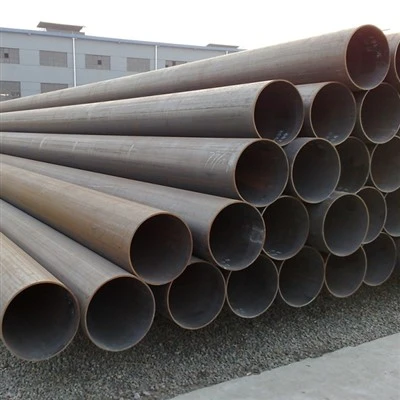
Don’t waste time or money on pure metals that will let you down. Let’s find the right alloy together.
Cobalt Based Alloy References
- Callister, W. D., & Rethwisch, D. G. (2018). Materials Science and Engineering: An Introduction. John Wiley & Sons.
- Ashby, M. F. (2017). Materials Selection in Mechanical Design. Butterworth-Heinemann.
- Brandes, E. A., & Brook, G. B. (Eds.). (1998). Smithells Metals Reference Book. Butterworth-Heinemann.
- National Institute of Standards and Technology (NIST). (2022). Alloys: Properties and Applications. U.S. Department of Commerce.
- ASM International. (2019). Alloy Design and Selection for Engineering Applications. ASM International.
Jiangsu Xurui Metal Group Co., Ltd.
With abundant experience, we are one of the most professional alloy manufacturers and suppliers in China. We are committed to providing high quality metal products for global clients. Please feel free to wholesale bulk high-grade alloy in stock here from our factory.
Address: 32-117, South Stainless Steel Market, Xinwu District, Wuxi, Jiangsu, China
E-mail: Mia@xuruimetal.com
WebSite: https://www.xurui-steel.com/
