If you’ve ever lingered at a busy café, watching the barista pull a manual espresso shot with practiced precision—pressing the lever with just the right amount of force, pausing halfway to let the coffee bloom, and delivering a rich, crema-topped shot that tastes like liquid gold—you know the allure of manual home espresso machines. As a supplier who’s helped hundreds of home baristas take the leap from pod-based machines to manual models over the past five years, I’ve seen this curiosity turn into obsession for many (and frustration for a few). Today, I want to break down the real pros and cons of manual home espresso machines, no sales fluff, just the honest insights I’ve gained from talking to customers, troubleshooting setups, and testing every model we stock. Let’s start with the good stuff first, because that’s why most people even consider making the upgrade. Home Espresso Machine
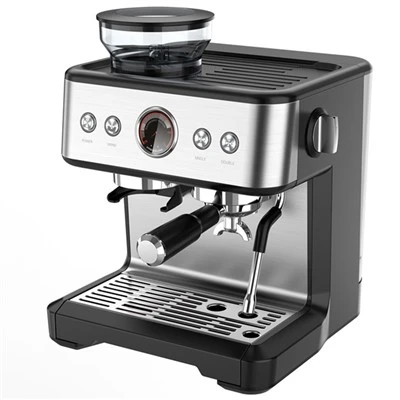
First, and most importantly, manual machines deliver unrivaled control over your shot. Unlike semi-automatic machines that manage water pressure for you, or automatic ones that grind, tamp, and pull the shot on a timer, manual machines put every variable in your hands. Pressure, water temperature, brew time—all of it is adjustable. For example, if I want a darker, more robust shot of medium-roast Colombian beans, I can pull the lever faster to build pressure quickly, resulting in a thicker, more intense crema. If I’m using a lighter, fruity Ethiopian roast, I can slow the lever down to extend the brew time, pulling out more of the bright, floral notes instead of bitter over-extracted compounds. This level of customization is a game-changer for anyone who cares about espresso beyond just a morning caffeine fix. I had a customer last year, a graphic designer named Mia, who told me she was bored of her pod machine’s one-note taste until she got her first manual machine. Now she experiments with different grind sizes, water temperatures, and pull times every weekend, and she’s developed a signature shot she uses when hosting friends. That kind of creativity isn’t possible when the machine is doing most of the work for you.
Next, manual machines often have a smaller footprint than other high-end home espresso setups. Most models are compact enough to fit on a standard kitchen counter, even in small apartments. I sell a lot of our entry-level manual machines to renters and people with limited counter space, because they don’t require a lot of extra hardware—no built-in grinders, no bulky water tanks, just the machine itself, a portafilter, and a tamper. This is a big plus compared to super-automatic machines, which are often twice as big and heavier, or even semi-automatic models with built-in grinders that take up more space. A lot of our customers live in studio apartments or small condos, and they love that their manual espresso machine doesn’t dominate their kitchen. It’s out when they want to make coffee, stored away in a cabinet when they don’t.
Another pro is durability and simplicity in design. Manual machines have fewer moving parts than automatic or even semi-automatic models—no grinders, no electronic pressure regulators, no complex control panels. That means fewer things can break. Over the five years I’ve been in business, I’ve had way more service requests for automatic machines than manual ones. One long-time customer has had his entry-level manual machine for seven years, and the only maintenance he’s ever done is descaling it every six months. It still pulls shots just as well as the day he bought it. For people who don’t want to deal with frequent repairs or complicated tech, that peace of mind is huge. You don’t need to be a tech whiz to use a manual machine—you just need to learn a few basic steps, and then it’s pretty straightforward.
Now, let’s be honest: manual machines aren’t for everyone. The biggest con, by far, is the steep learning curve. Pulling a good manual shot isn’t something you can do on the first try. I compare it to learning to play a guitar—you can read the chords, but it takes months of practice to play them smoothly. For a manual espresso shot, you need to master three key skills: tamping your grounds evenly and firmly, building consistent pressure during the pull, and timing the shot right. If your tamp is uneven, water will flow through some parts of the grounds faster than others, resulting in a weak, bitter shot with little crema. If you build pressure too fast, you’ll over-extract the espresso, making it taste burnt. If you pull it too slow, you’ll under-extract, leaving it watery and sour. A lot of customers come to me excited to buy a manual machine, and then come back a week later frustrated because their shots taste terrible. They expect to get café-quality espresso right away, but it takes weeks of practice, and sometimes even months, to get it consistent. That’s not to say it’s impossible, but it’s definitely not a set-it-and-forget-it appliance.
Another big downside is the physical effort required. Lever-style manual machines, the most common type for home use, require you to push or pull the lever with enough force to build the ideal pressure—usually between 9 and 15 bars, the standard for espresso. That force can be anywhere from 20 to 40 pounds, depending on the model. For some people, especially those with weaker hands, older adults, or people with hand issues like arthritis, that’s a real problem. I had a customer in her 60s tell me she had to return her first manual machine because she couldn’t generate enough pressure to pull a good shot. It left her hand sore, and she ended up switching to a semi-automatic machine that did the pressure work for her. Even for people with strong hands, pulling multiple shots in a row after a large brunch can leave your arm tired. It’s not a big deal for one or two shots a day, but if you’re hosting a group, manual machines can be more tiring to use than other types.
Cost is another con, though it’s a bit nuanced. Entry-level manual machines are cheaper than high-end super-automatic models, but many good ones still cost more than basic semi-automatic or pod machines. You also have to factor in the extra accessories you’ll need to make good espresso. You can’t pull a quality manual shot with a pre-ground coffee—you need a burr grinder, which itself can cost anywhere from $100 to $500. A good tamper, a scale to time your shots, and a milk frother (manual machines require a separate frother, as they don’t have steam wands built into all models) add more to the cost. Total setup for a decent manual espresso system can run you $500 to $1,000, which is way more than the $100 pod machine most people start with. And if you skimp on accessories, you’ll end up with bad shots anyway. I always tell customers that the grinder is just as important as the machine, because a bad grinder will ruin even the best manual pull.
There’s also the issue of consistency. Even after you’ve mastered the basics, manual shots can vary more than shots from automatic or semi-automatic machines. One day you might pull a perfect shot with bright, balanced flavor, and the next day, with the same beans, same grind, same tamp, you could get a weaker, more bitter shot. That’s because humans aren’t machines—our pressure, timing, and even how we tamp can change slightly from one pull to the next. For people who want the same exact espresso every single time, that inconsistency can be frustrating. Automatic machines control every variable electronically, so you know exactly what you’ll get every time. Manual machines, by their nature, are subject to human error, even from experienced baristas.
Now, before you write off manual machines entirely, let’s talk about who they’re best for. Manual home espresso machines are ideal for casual baristas who care about the craft of espresso, not just the end result. If you enjoy experimenting, are willing to practice, and want total control over your coffee, a manual machine is perfect. They’re also great for people who value durability and want a machine that will last for years with minimal maintenance. On the flip side, if you want something that’s easy to use, consistent, and doesn’t require a lot of practice, a semi-automatic or super-automatic machine is a better fit. If you have hand issues or limited time to practice, manual machines probably aren’t for you.
As a supplier, my job isn’t to sell every customer a manual machine—it’s to match them with the right machine for their needs. I’ve sent customers with small kitchens and a love for craft coffee home with compact manual machines, and I’ve told customers who want easy, consistent espresso to go with semi-automatic models. If you’re someone who’s been curious about manual home espresso machines, I always recommend trying one, maybe renting for a week first or starting with an entry-level model to see if you like the process. If you’re ready to take the next step and discuss what machine fits your needs, I’m here to help. Reach out to me to learn more, ask questions, or compare models that work for your home setup.
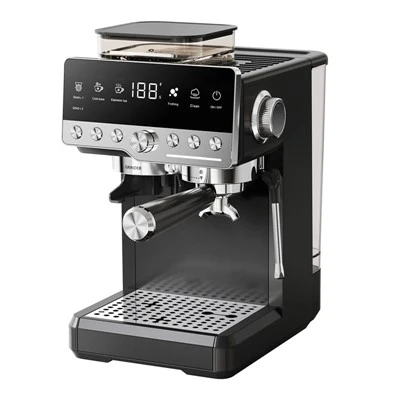
I’ve been in the home espresso business long enough to know that manual machines aren’t for everyone, but for the right people, they’re life-changing. There’s a certain joy in pulling your own shot, adjusting variables until you get it exactly how you like it, and sipping an espresso that’s truly yours. It takes work, it takes practice, and it’s not always perfect, but the reward is a level of coffee quality and creativity that no other home espresso machine can match.
Boiler Espresso Machine References:
- The Specialty Coffee Association. (2022). Home Espresso Preparation Best Practices. SCA Coffee Science Database.
- International Coffee Organization. (2021). Espresso Machine Technology and User Experience. ICO Technical Bulletin.
- Home Coffee Equipment Review. (2023). Manual vs. Semi-Automatic Espresso Machines: A Five-Year User Survey. Independent Consumer Research.
- Journal of Food Science and Agriculture. (2020). The Impact of Manual Pressure Control on Espresso Flavor Profiles. Wiley Online Library.
Foshan City Moccona Electric Co., Ltd.
With abundant experience, we are one of the leading manufacturers and suppliers of home espresso machine in China. We warmly welcome you to buy bulk durable home espresso machine from our factory. If you have any enquiry about cooperation, please feel free to email us.
Address: Room 202, Building 16, Tongde Intelligent Manufacturing Park (TDIMP), No.9 Guizhou Avenue East, Shangjia Community, Ronggui Street, Shunde District, Foshan City, Guangdong Province
E-mail: tim@mocconaelectric.com
WebSite: https://www.mocconaelec.com/
