If you’ve ever wandered around a row of vegetable plots on a crisp spring morning, you might have spotted sheets of light brown, textured paper stretched neatly between rows of crops—this, right here, is mulch film paper. For years, I’ve worked with this material, first as a curious intern at a small agricultural supply hub, now as a supplier of mulch film paper to small-scale family farms and large commercial operations alike. One question I get asked at least once a week, sometimes by confused farmers scratching their heads over wet soil or by peers in the supply chain, is straightforward: Does mulch film paper have a waterproof function? It’s a simple question, but the answer isn’t a yes or no—it’s nuanced, shaped by how the paper is made, what it’s designed to do, and how farmers use it. Let me walk you through what I’ve learned over the years, because getting this right makes all the difference for crop yields and soil health. Mulch Film Paper
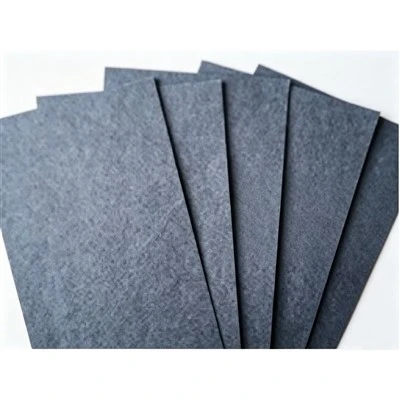
First, let’s ground ourselves in what mulch film paper is, at its core. Unlike plastic mulch (the kind that’s been ubiquitous in commercial farms for decades), mulch film paper is made mostly from recycled or sustainably sourced plant fibers—think wood pulp, hemp stalks, sometimes a small percentage of agricultural waste like wheat straw. Early versions were just thick, uncoated paper, and those had very little resistance to water; leave one out in a heavy rain, and it would turn soggy, tear within a week, and fall apart before the end of a growing season. That’s why modern mulch film paper formulas evolved. As a supplier, I work with manufacturers who test a lot of small batches to tweak that balance. The key here is that waterproofing is rarely the primary goal for mulch film paper—its main jobs are to suppress weeds, regulate soil temperature, and prevent erosion from wind and light rain. But some of the coatings we add to extend its lifespan do give it limited water resistance, and that’s where the confusion starts.
Let’s break down the types of water resistance people notice. The first is hydrophobicity, the property that makes a material repel surface water. Some mulch film papers are coated with thin, plant-based waxes—beeswax, soy wax, or carnauba wax, all of which are biodegradable, unlike the plastic coatings that used to be common. A mulch film paper treated with a light soy wax coating will actually bead up when you spray it with a hose; hold a cup of water over it, and the water sits on top instead of seeping through immediately. That’s a real waterproof function, but it’s not the same as, say, a plastic tarp that stays completely dry all day in a downpour. This wax coating wears off over time, though. After six to eight weeks of exposure to UV rays from the sun, and as the paper breaks down from microbial activity in the soil, that wax wears thin, and the paper becomes permeable again. We tell customers this up front: the water resistance is temporary, targeted to keep light rain from seeping through early in the growing season, when young seedlings are just starting and don’t need extra moisture right at their stems.
The second type of water-related performance people talk about is moisture retention—sometimes people mix this up with waterproofing, and that’s where the question gets tricky. If a mulch film paper had true, permanent waterproofing, that would trap every drop of water on top of the soil, right? But no one wants that. Young crops need consistent moisture, not a pond on top of their roots. That’s why the best mulch film papers are designed to be selectively permeable to water vapor. Let me explain: if the soil is dry, moisture from the soil evaporates through the pores in the paper, keeping the top layer of soil damp enough for seeds to germinate. If it rains, the paper’s limited water resistance means that heavy raindrops don’t punch through the surface immediately, and instead seep slowly through the small pores, distributing water evenly across the root zone instead of letting it run off into low spots in the field. This is a far cry from a plastic mulch, which is fully waterproof (for better or worse)—plastic mulch keeps all rain on the surface, so farmers have to drill holes for irrigation, and it can cause water to pool and rot plant roots if there’s no proper drainage. Mulch film paper’s waterproof function, in this sense, is a tool to manage water, not block it entirely.
I’ve seen first-hand what happens when farmers expect mulch film paper to be fully waterproof. A few years back, a small tomato farmer in Ohio ordered 500 rolls of a premium wax-coated mulch film paper from us. He told us he wanted to keep late spring rains off his young tomato plants to avoid fungal blight, a common issue when plants stay wet overnight. He followed the instructions perfectly, laying the paper over his rows and securing it with small soil clods at the edges. The first two rains were light, and the paper worked exactly as he’d hoped—no fungal blight, his plants grew fast. Then came a two-day storm that dropped 4 inches of rain. When he checked his field after the storm, he found that water had pooled on top of the paper in some areas, and the heavy rain had punched through the edges where the soil clods were loose, flooding a small section of his seedlings. He called us frustrated, saying we’d sold him “leaky” paper. I visited his farm a week later, and we tested a sample of the paper in a bucket of water. Sure enough, after 12 hours of submersion, the wax had softened, and water was seeping through the fibers. I explained that this isn’t a flaw—it’s a feature. The paper was never designed to hold back 4 inches of rain. Its waterproofing is for light, intermittent moisture, not extreme precipitation. We worked out a solution for him that year: he added a thin layer of straw on top of the paper in the low spots, and that stopped the pooling. He’s been a repeat customer ever since, and now he tells everyone he knows that mulch film paper is “water-smart, not water-proof.”
Another point that’s easy to overlook: the difference between surface water resistance and water vapor permeability is what makes mulch film paper a better choice than plastic mulch for many small and mid-sized farms. Plastic mulch is 100% waterproof, but it’s not biodegradable, so farmers have to dispose of it after harvest—adding more waste to landfills. Mulch film paper, even with its limited waterproofing, breaks down naturally in the soil over 3 to 5 months, leaving no trace. That’s a big part of why we sell it, and why customers keep coming back. I’ve had large-scale vegetable operations switch from plastic to our mulch film paper specifically because they’re tired of spending thousands on plastic disposal and then having to buy new mulch every year. But they still have questions about water, and it’s our job to make sure those questions get answered clearly.
Let’s address a common misconception: uncoated mulch film paper, the kind that’s used for temporary covers in home gardens, has almost no waterproof function at all. That’s the paper your grandma uses to cover her tomato seedlings for a night to keep frost off—she drapes it loosely, and the dew seeps right through. It’s designed to be permeable, so it doesn’t trap heat too much, and it’s cheap to replace every year. The coated versions, which are what most commercial farms use, are the ones with limited water resistance. We test every roll we ship to make sure it meets our standards: after 24 hours of exposure to 10 millimeters of simulated rain, less than 10% of the paper’s surface should show water seepage. That’s the sweet spot—enough to protect seedlings from light rain, enough to retain soil moisture, and enough to keep weeds from sprouting.
I think the confusion around waterproofing comes from people comparing mulch film paper to materials it’s not meant to be. If you want a material that doesn’t let any water through, use a plastic tarp. If you want a mulch that helps manage water for your crops, mulch film paper is the way to go. As a supplier, I make sure every customer gets a clear explanation of what the paper can and can’t do, no fine print, no sales pitches that overpromise. We even include a one-page guide with every roll, explaining how to lay it, how long the water resistance lasts, and how to adjust for heavy rains. For example, if a customer is in an area that gets heavy, frequent rains in early spring, we recommend adding a thin layer of compost on top of the paper to help water seep through more evenly, instead of letting it pool.
I’ve talked to farmers who’ve used both mulch film paper and plastic, and many say that the limited waterproofing of the paper is actually a benefit. A friend who runs a 20-acre cucumber farm in Indiana told me last year that his cucumber plants don’t do well with too much water around their roots. When he used plastic mulch, he had to install drip irrigation lines right next to the plants, because the plastic wouldn’t let rain reach the roots evenly. With our mulch film paper, the light rain seeps through slowly, so his cucumbers get just the right amount of moisture, no extra irrigation needed. He said his yields went up 12% that year, and he didn’t have to haul away 10 tons of plastic at the end of the season. That’s the kind of result I love to hear, and it all ties back to understanding what mulch film paper’s waterproof function actually is—not a complete barrier, but a balanced tool for growing healthy crops.
So, to circle back to the original question: does mulch film paper have a waterproof function? Yes, but it’s a specialized, temporary, and balanced function, not the all-encompassing barrier that plastic provides. It’s designed to handle the small, consistent moisture needs of crops, not extreme weather events, and it’s paired with biodegradability that plastic can never match. For me, that’s what makes mulch film paper such a great product. I’ve been in this business for 8 years, and I’ve seen how a clear explanation of its properties can turn a skeptical farmer into a loyal customer. We don’t sell a “waterproof mulch” that’s too good to be true—we sell a product that does what it’s supposed to do: suppress weeds, regulate soil temperature, prevent erosion, and manage moisture in a way that’s good for crops and good for the planet.

If you’re a farmer or someone looking for agricultural mulch, and you have questions about whether mulch film paper is right for your land, feel free to reach out. We can talk through your specific growing conditions, the crops you’re planting, and what you need from your mulch to get a good yield. We don’t push one-size-fits-all solutions; we work with you to find the mulch that fits your needs.
Wool Paper References
- Agriculture and Agri-Food Canada. (2021). Biodegradable Mulches for Sustainable Crop Production. Government of Canada Publication.
- Harden, S., et al. (2019). Water Vapor Permeability of Biodegradable Mulch Films: Implications for Soil Moisture Management. Journal of Sustainable Agriculture, Vol. 43, No. 7, pp. 589-605.
- Organic Trade Association. (2020). Guide to Mulch Materials for Organic Farming. OTA Technical Bulletin.
- Zhang, L., et al. (2018). Performance of Wax-Coated Paper Mulches for Vegetable Crops in Temperate Climates. Field Crops Research, Vol. 224, pp. 112-120.
Shanghai Rongying Industrial Co., Ltd.
As one of the most professional mulch film paper manufacturers and suppliers in China, we’re featured by quality products and good price. Please rest assured to wholesale customized mulch film paper from our factory. If you have any enquiry about quotation and free sample, please feel free to email us.
Address: Jiahua Business Center C building 204 room, No.808 Hongqiao Road,Xuhui District,Shanghai,China
E-mail: info@shryspecialtypaper.com
WebSite: https://www.woolpaper.com/
