Adjusting the spindle speed in milling and drilling operations is a crucial aspect that can significantly impact the efficiency, precision, and quality of the machining process. As a seasoned supplier in the Milling and Drilling industry, I’ve witnessed firsthand how proper spindle speed adjustment can make or break a project. In this blog, I’ll share some insights and practical tips on how to adjust the spindle speed effectively. Milling and Drilling

Understanding the Basics of Spindle Speed
Before delving into the adjustment process, it’s important to understand what spindle speed is and why it matters. The spindle speed refers to the rotational speed of the spindle, which holds the cutting tool in milling and drilling machines. It is typically measured in revolutions per minute (RPM).
The choice of spindle speed depends on several factors, including the type of material being machined, the size and type of the cutting tool, and the desired surface finish. For instance, when machining a soft material like aluminum, a higher spindle speed can be used to achieve a faster material removal rate. On the other hand, when working with a hard material such as stainless steel, a lower spindle speed is often required to prevent excessive tool wear and heat generation.
Factors Affecting Spindle Speed
Material Type
Different materials have different properties, such as hardness, toughness, and thermal conductivity. These properties influence the optimal spindle speed for machining. As mentioned earlier, softer materials generally allow for higher spindle speeds, while harder materials demand lower speeds. For example, when milling wood, speeds ranging from 3000 – 6000 RPM are common. In contrast, when drilling cast iron, speeds of 500 – 1500 RPM might be more appropriate.
Cutting Tool Geometry
The design of the cutting tool also plays a vital role in determining the spindle speed. Tools with smaller diameters typically require higher spindle speeds to maintain an effective cutting edge velocity. For example, a small drill bit with a diameter of 1 – 3 mm may need a speed of 5000 – 10000 RPM, while a larger drill bit with a diameter of 10 – 20 mm might operate at 1000 – 3000 RPM. Additionally, the number of flutes on a milling cutter can affect the speed. Cutters with more flutes can generally handle higher feed rates at lower spindle speeds, as they distribute the cutting load more evenly.
Desired Surface Finish
If a high – quality surface finish is required, a lower spindle speed may be necessary. At lower speeds, the cutting tool has more time to remove material smoothly, reducing the chances of leaving rough marks on the workpiece. Conversely, if the primary goal is to remove material quickly, a higher spindle speed can be used, although this may result in a rougher surface finish.
Methods of Adjusting Spindle Speed
Manual Gearboxes
Many traditional milling and drilling machines are equipped with manual gearboxes. These gearboxes allow operators to change the spindle speed by physically shifting gears. To adjust the speed using a manual gearbox, the operator first needs to stop the machine and engage the appropriate gear. The gear selection is usually based on a chart provided by the machine manufacturer, which indicates the recommended spindle speeds for different gear settings and cutting conditions.
Manual gearboxes offer a simple and reliable way to adjust spindle speed. However, they have limitations. The available speed options are discrete, which means that the operator may not be able to achieve the exact desired speed. Additionally, changing gears can be time – consuming, especially when frequent speed adjustments are required.
Variable Frequency Drives (VFDs)
In modern milling and drilling machines, Variable Frequency Drives (VFDs) are becoming increasingly popular. A VFD is an electronic device that controls the frequency of the electrical power supplied to the motor, which in turn controls the spindle speed. With a VFD, the spindle speed can be adjusted continuously within a certain range.
To adjust the spindle speed using a VFD, the operator typically uses a control panel or a digital interface. The operator can enter the desired RPM value directly, and the VFD will adjust the motor speed accordingly. VFDs offer several advantages over manual gearboxes. They allow for precise speed control, which is essential for achieving high – quality machining results. They also enable quick and easy speed adjustments, reducing downtime. Additionally, VFDs can optimize energy consumption by adjusting the motor speed according to the actual load requirements.
Step – by – Step Guide to Adjusting Spindle Speed
Step 1: Determine the Material and Cutting Tool
The first step in adjusting the spindle speed is to identify the material that you will be machining and the type of cutting tool you will be using. Refer to the tool manufacturer’s recommendations or machining handbooks for the appropriate cutting speed range for the specific material – tool combination. For example, if you are using a carbide end mill to mill titanium, the recommended cutting speed might be around 100 – 200 surface feet per minute (SFM).
Step 2: Calculate the Spindle Speed
Once you have the recommended cutting speed, you can calculate the required spindle speed using the following formula:
[RPM=\frac{CS\times12}{\pi\times D}]
where (RPM) is the spindle speed in revolutions per minute, (CS) is the cutting speed in surface feet per minute (SFM), and (D) is the diameter of the cutting tool in inches.
For example, if the recommended cutting speed for a 1 – inch diameter drill bit in steel is 100 SFM, the calculation would be:
[RPM=\frac{100\times12}{\pi\times1}\approx 382\ RPM]
Step 3: Select the Adjustment Method
Depending on your machine, choose whether to use a manual gearbox or a VFD to adjust the spindle speed. If using a manual gearbox, find the gear setting that closest matches the calculated RPM. If using a VFD, enter the calculated RPM value into the control panel.
Step 4: Test and Fine – Tune
Before starting the full – scale machining operation, it’s a good idea to perform a test run. Start the machine at the selected spindle speed and make a few light cuts on a scrap piece of the same material. Observe the cutting performance, such as the chip formation, the noise level, and the surface finish of the workpiece. If necessary, make small adjustments to the spindle speed to achieve the best results.
Troubleshooting Spindle Speed Issues
Excessive Tool Wear
If you notice excessive tool wear, it could be a sign that the spindle speed is too high. When the spindle speed is too high, the cutting tool experiences more friction and heat, which can cause the tool material to break down more quickly. In this case, reduce the spindle speed and see if the tool wear improves.
Poor Surface Finish
A poor surface finish may indicate that the spindle speed is either too high or too low. If the surface is rough and has visible chatter marks, the speed may be too high. Try reducing the speed and increasing the feed rate slightly. If the surface is dull and has smearing, the speed may be too low. Increase the spindle speed to improve the cutting action.
Machine Vibration
Excessive machine vibration can be caused by an improper spindle speed. If the spindle speed is close to the natural frequency of the machine or the workpiece, resonance can occur, leading to vibration. Try adjusting the spindle speed to move away from the resonant frequency.
Conclusion
Adjusting the spindle speed in milling and drilling is a complex but essential skill for achieving optimal machining results. By understanding the factors that affect spindle speed, choosing the right adjustment method, and following the proper procedures, you can improve the efficiency, precision, and quality of your machining operations.
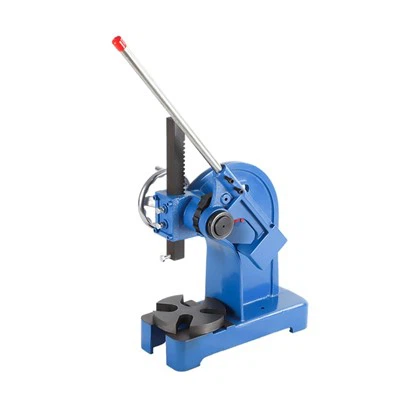
Arbor Press As a leading supplier in the Milling and Drilling industry, we are committed to providing high – quality machines and tools that are designed to offer precise spindle speed control. Our team of experts is always ready to assist you in selecting the right equipment and providing technical support. If you are interested in purchasing milling and drilling machines or need more information about spindle speed adjustment, please feel free to contact us for a procurement discussion. We look forward to helping you take your machining projects to the next level.
References
- Machinery’s Handbook
- Tool Manufacturer’s Catalogs
- Machining Technology textbooks
YS Machine Tools Co., Ltd.
We’re well-known as one of the leading milling and drilling suppliers in China, featured by quality products and good service. Please rest assured to buy customized milling and drilling at competitive price from our factory. Contact us for more details.
Address: 300 Sandusky st, Ohio, 43611, USA
E-mail: yishoumachinetools@gmail.com
WebSite: https://www.ysmachinetool.com/
