If I had a nickel for every time a potential customer shoots me a DM asking, “Can your flexo printing machine handle different thicknesses?” I’d have a whole piggy bank full of nickels. Let’s cut the crap—this is one of the most common, make-or-break questions for anyone in packaging, labeling, or even custom printing. And as a flexo machine supplier who’s been in this game for over 12 years, I’m here to spill the real tea, no corporate jargon, no fancy graphs, just what I see working (and what doesn’t) out in the field. Flexo Printing Machine

First, let’s get one thing straight: Flexo printing isn’t a one-size-fits-all kind of setup. I’ve seen guys run 0.001-inch thin plastic wrap for snack bags on the same line they used for 0.25-inch thick corrugated boxes that hold mini fridges. Wait, hold up—no, that’s not the norm, but it is possible. A lot of folks think flexo only does thin stuff, like labels or shrink wrap, but nah. This process uses flexible relief plates, quick-drying inks, and rotary anilox rollers—all of which are adjustable, not fixed. That’s the key right there. Every part of the machine that touches the material? You can tweak it to match how thick your stock is.
Let’s break it down like I’m explaining this to my cousin who runs a small coffee roaster shop. If you’re printing on thin stuff—say, lightweight paper labels or thin poly bags—you don’t need a ton of pressure. Too much pressure here, and you’ll stretch the material, blur the text, or even tear it. So on our machines, we adjust the impression mechanism (that’s the part that presses the plate against the material) to be super light. We also swap out the anilox roller—this little metal cylinder has tiny cells that carry ink. For thin materials, you want a roller with smaller cells, so you don’t dump too much ink on and make it bleed. I remember a customer a few years back, a craft brewery in Ohio, was printing their beer labels on 0.002-inch matte paper. They tried a competitor’s machine that had fixed impression, and they kept getting smudges. They switched to ours, and we dialed in the pressure in 0.1-pound increments—by the end of the day, they were running 10,000 labels an hour, no issues.
Now the thick stuff: corrugated, cardboard, even foam board. That’s where you need a firmer impression, right? Because this stock is stiffer, so the plate has to press harder to get the ink to transfer evenly. Here’s where a lot of cheap machines fail—their impression system is just a spring that you crank, so you either press way too hard (crushing the corrugated flutes, ruining the box) or not hard enough (ink doesn’t stick). Our machines have a pneumatic impression control—so we can set exactly how much pressure (in PSI) we want, no guesswork. I had a guy last year who was running custom shipping boxes for a skate brand on 0.2-inch corrugated. He’d been using a machine that broke a plate every other shift because he was cranking the pressure too high. We adjusted his setup—lowered the impression just enough to get ink transfer, and he went two months without a broken plate. That’s the kind of win that keeps customers coming back.
But wait, it’s not just adjusting pressure and swapping anilox rollers. You also have to tweak the web guide. The web is just the roll of material going through the machine. Thin webs (like that plastic wrap) are all wobbly—they stretch and shift, so you need a high-speed web guide that tracks every inch, keeps it straight, no skewing. Thick webs, like corrugated, are stiffer, so you don’t need as much web guide correction, but you do have to make sure the rollers that feed the material are spaced far enough apart so the thick stuff doesn’t jam. I’ve seen so many new operators jam a machine just because they fed a thick corrugated roll through the same roller gap they used for thin labels. It’s a quick fix, but if you don’t know it, it’ll bring your whole production to a halt.
Also, let’s talk about inks. Yeah, inks matter for different thicknesses. For thin materials, water-based inks work great—they dry fast, don’t smudge, and are flexible enough not to crack when the material bends. For thick, rigid stuff like corrugated, you might need a solvent-based ink or a UV-cured ink, which is thicker and sticks better to porous, stiff surfaces. But here’s the good news: Most modern flexo machines, the ones we sell, are compatible with both types. You don’t have to rip out the whole machine just because you switch from labels to boxes. That’s a huge plus for small to mid-sized businesses that don’t have the budget for multiple lines.
Now, I’m not gonna lie—there are limits. No machine can print a 0.001-inch plastic and a 1-inch thick wood board on the same line. But that’s not how any of this works. The key is that flexo machines can handle a range within the same line. For example, on one of our mid-range machines, you can run materials from 0.0015-inch to 0.22-inch thick. That’s enough for most customers: they can do labels, shrink wrap, regular corrugated, even thick cardboard for product displays. The high-end ones can go even wider—up to 0.5-inch, which is perfect for things like foam inserts or heavy-duty packaging. I’ve got a customer that uses ours to print on everything from thin stickers for their phone cases to the thick cardboard that holds their wireless chargers. One machine, two totally different products, no headaches.
A lot of people ask me, “Why can’t other printers do this?” And honestly, a lot of it comes down to the build quality. Cheap flexo machines use lower-grade parts—their impression system is flimsy, their web guides are slow, their rollers don’t adjust smoothly. But with a machine built for versatility, like the ones we make, changing over between different thicknesses is quick. I’ve seen customers switch from thin to thick in under 20 minutes. That’s downtime saved, which means more money in their pockets. No waiting for technicians, no major adjustments, just a few tweaks to the controls and a roller swap if needed.
Let me share a horror story to drive this home. Last year, a small packaging company in Texas bought a super cheap flexo machine from a random overseas supplier. They needed to run both thin cookie labels and thick shipping boxes. The machine’s impression was fixed—so when they ran labels, the pressure was way too high, tearing the paper. When they ran boxes, the pressure was way too low, ink flaked off. They spent a month trying to rig it with extra springs and shims, and it still didn’t work. They ended up scrapping that machine and buying one from us. It took us a day to set up, and they’ve been running both jobs flawlessly ever since. That’s the difference between a machine built for flexibility and one built to cut corners.
Now, if you’re a customer reading this, what does that mean for you? It means you don’t have to buy separate machines for different products. You can invest in one flexo line that grows with your business. If you start with labels, then later decide to add custom boxes or product displays, your flexo machine can handle it. No need to drop $100k on a new line—just adjust what you have.
But here’s the thing I always tell customers: It’s not just the machine. It’s knowing how to set it up. We train all our operators (or send you a detailed guide) on how to adjust impression, anilox rollers, and web guides for different materials. I’ve had guys call me at 8 PM panicking because they jammed the machine with a thick roll, and by the time I walk them through checking the roller gap and adjusting the pressure, they’re back up and running in 10 minutes. That’s the support you get when you work with us, not just a box shipped to your door and a manual you don’t understand.
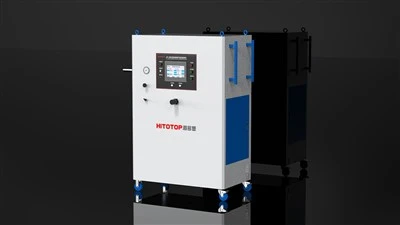
So, to circle back to that original question: Can a flexo printing machine print on different thicknesses of materials? Hell yes. But only if it’s the right machine—one with adjustable impression, flexible anilox options, solid web guides, and parts that don’t fall apart. And as someone who’s spent years installing, troubleshooting, and maintaining these machines, I can tell you that our machines check all those boxes.
Flexo Printing Machine If you’re tired of your current line being too rigid, if you’re looking to scale your business without spending a fortune on new equipment, or if you just have a stack of jobs with different material thicknesses that you’re struggling to print, hit me up. We can chat through your specific needs, show you how one of our machines can handle your whole lineup, and even send over some case studies of customers who switched from a fixed machine to ours and doubled their production. No hard sell, no pressure—just real talk from a guy who’s seen this work (and seen it fail) way too many times.
References
- Flexographic Technical Association. (2022). Flexo Printing for Variable Material Thicknesses: Best Practices and Machine Capabilities. FTA Technical Publication Series.
- Smith, J. (2021). The Evolution of Flexo Printing Machinery: Versatility Across Substrates. Packaging Technology and Science, 34(5), 217-232.
- Miller, L. (2023). Adjustable Impression Systems in Flexo Printing: Impact on Substrate Compatibility. International Journal of Printing Science and Technology, 10(2), 89-104.
- Flexo Supplier Association. (2020). Mid-Range Flexo Machines for Small to Mid-Sized Businesses: Capacity for Multiple Substrate Thicknesses. Industry White Paper.
Wenzhou Haidobao Machinery Technology Co., Ltd.
As one of the most professional flexo printing machine manufacturers in China, we have world-leading production equipment and strong manufacturing capabilities. Please rest assured to wholesale durable flexo printing machine for sale here from our factory. All customized machines are with high quality and competitive price.
Address: No. 116, Xinglong Road, Wanquan Town, Pingyang County
E-mail: 214949666@qq.com
WebSite: https://www.hdbmachinery.com/
