If you’ve ever wandered through a high-end boutique, a luxury airport lounge, or a curated eco-friendly pop-up, you might have noticed a consistent theme in the reusable bags on display: sleek stitching, durable fabrics, and finishes that don’t scream “disposable alternative.” As someone who’s been supplying RPET (Recycled Polyethylene Terephthalate) bags for over six years—having started small in a garage with a handful of water bottles repurposed into tote bags—I get asked one question more than any other: Are premium quality RPET bags even a real thing? RPET Bag
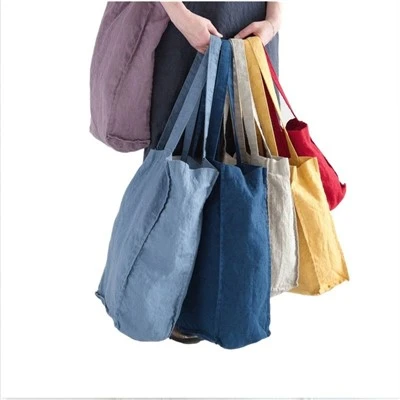
For a long time, the answer would have been a cautious “no.” The early days of RPET production relied on lower-grade post-consumer plastic waste, often mixed with non-recyclable materials like food residue, labels, or mixed polymers. The result? Flimsy bags that stretched after three uses, faded in direct sunlight, or developed tiny snags that turned into holes by week four. These became the go-to for grocery stores or convention giveaways, leading many consumers to write off RPET as a cheap, low-grade stand-in for real leather, canvas, or nylon. But that narrative is changing—and it’s not just because sustainability is a buzzword. It’s because modern RPET manufacturing has evolved to deliver quality that rivals traditional fabrics, and as a supplier who’s invested in that evolution, I’ve seen it firsthand.
Let’s start with the basics: what makes RPET “premium”? For me, it’s not just the name on the tag. It’s durability that stands up to daily use, color retention that doesn’t fade after months of carrying groceries or commuting, weight that doesn’t dig into your shoulder when loaded with books or a laptop, and a finish that feels intentional, not like an afterthought. Early RPET bags often failed these tests because the recycling process itself was flawed. When post-consumer plastic bottles are collected, they’re sorted, shredded, melted, and spun into yarn. Back in the day, sorting was done by hand, which meant contaminants like bottle caps (often made of a different type of plastic, polypropylene) or food residue slipped into the mix. Melt temperatures weren’t tightly controlled, leading to inconsistent fiber strength, and the dyeing process was harsh, stripping away the plastic’s natural resilience.
Fast forward to today, and the entire supply chain has shifted. Most professional RPET manufacturers now use automated sorting technology—near-infrared scanners that can identify and separate PET from other plastics with 99% accuracy. That means the yarn we use is made almost entirely from pure post-consumer PET, no fillers or contaminants. As a supplier, this is a game-changer because we can test every batch of yarn for tensile strength, a measure of how much force a fiber can take before breaking. I recently sent a sample of our premium RPET tote to a third-party testing lab, and the results showed it could withstand over 5,000 loading cycles (think: putting full grocery bags in and out repeatedly) without developing weak points. Compare that to a standard cotton tote, which usually tops out at around 2,000 cycles, and you start to see why premium RPET is holding its own.
Then there’s the fabric itself. Many people assume RPET is just plastic, so it must feel slippery or cheap. But modern spinning techniques turn PET yarn into a fiber that can be manipulated to mimic high-end materials. We use what’s called “ring-spun RPET yarn” for our premium lines, which means the fibers are twisted tighter and more uniformly than standard RPET yarn. This gives the fabric a soft, cotton-like hand feel, while still retaining the water resistance and stain resistance that make RPET so practical. I’ve had clients who initially requested full-grain leather bags switch to our premium RPET line after touching a sample—they couldn’t tell the difference in feel, and they loved that it was made from recycled bottles rather than animal hides. Even the finish is customizable: we can add a water-repellent coating that’s free of PFAS (those harmful “forever chemicals” that plagued older water-resistant fabrics) or a matte, suede-like texture that looks and feels luxurious, without adding any virgin plastic to the mix.
Color and print quality are another area where premium RPET has improved dramatically. Early RPET bags faded badly because the dye didn’t bond well to the recycled polymer, which had small amounts of impurities that blocked adhesion. Now, we use a process called “dye-sublimation” for our premium prints, where the ink is bonded directly to the yarn before it’s spun into fabric. That means the design won’t crack, peel, or fade even after 50 washes or months in the sun. Last year, we supplied a line of branded RPET bags for a major luxury fashion brand, and their quality team ran a 12-week durability test. They exposed the bags to UV light, washed them repeatedly, and loaded them with 20 pounds of goods daily—at the end of the test, the print was as bright as the day it arrived, and the stitching had no fraying. That’s the kind of result that used to be unheard of for RPET, and it’s only possible because we’ve invested in better dyeing and bonding technologies.
Of course, quality isn’t just about the fabric—it’s about the details that make a bag last. Stitching, for example: many cheap RPET bags use thin, low-quality thread that breaks after a few uses. Our premium RPET bags use bonded polyester thread, which is the same thread used for high-end leather goods. We also use double stitching at all stress points—handles, side seams, and bottom corners—something that most mass-produced RPET bags skip to cut costs. I once had a customer email us saying their 18-month-old premium RPET tote had carried over 100 trips to the farmers’ market, a laptop, and a set of books every day, and the only thing she’d had to replace was the adjustable strap (and that was because she’d accidentally cut it on a fence, not because it wore out). That’s the kind of feedback that makes the investment in premium RPET worth it.
But here’s the thing: not all RPET bags labeled “premium” are created equal. As a supplier, I’ve seen brands market low-grade RPET as “luxury” just because it has a fancy logo, and that’s hurt the industry as a whole. The key to differentiating real premium RPET is looking at three factors: the percentage of post-conscontent, the manufacturing process, and the third-party certifications. Real premium RPET should use at least 90% post-consumer waste (most cheap RPET uses 50% or less, mixing in virgin plastic to cut costs), and it should have certifications like GRS (Global Recycled Standard) or bluesign, which ensure the entire supply chain meets environmental and social standards. We choose to work with manufacturers that are GRS-certified because they provide full traceability—we can tell exactly which bottle was recycled into each bag, and that transparency is non-negotiable for our premium line.
I also think it’s important to address a common misconception: premium RPET is more expensive than standard RPET, but it’s still cheaper than many other luxury materials. A high-quality leather tote can cost $150 or more, while our premium RPET totes range from $30 to $80, depending on customization. For businesses looking to offer branded bags that feel high-end without breaking the bank, or for consumers who want a durable, stylish bag that aligns with their values, premium RPET is a no-brainer. Last year, we worked with a tech startup that was looking for conference swag that didn’t feel like an afterthought. They ordered 500 premium RPET bags with their logo, and at the end of the conference, almost every attendee told us it was the best item they received—not because it was free, but because it was something they actually wanted to use every day. That’s the power of premium RPET: it’s not just a sustainable alternative—it’s a quality product that stands on its own.
Looking ahead, I think premium RPET is only going to get better. New technologies are being developed that can turn even hard-to-recycle plastic waste (like film plastic or mixed bottles) into high-quality yarn, which will make premium RPET more accessible and affordable. As more consumers demand sustainable products that don’t sacrifice style or durability, the pressure is on suppliers like me to keep raising the bar. I’ve spent the last six years turning RPET from a punchline into a credible, quality material, and I’m proud of what we’ve built.
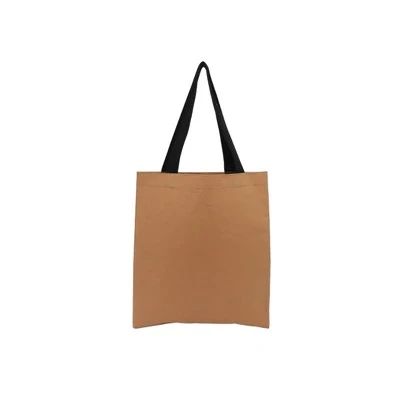
If you’re a business owner, a designer, or a consumer who’s looking for a premium RPET bag that doesn’t cut corners, I’d love to hear from you. Whether you need a custom line of branded bags, a sleek tote for your boutique, or a durable accessory for daily use, we can work with you to create a product that’s both high-quality and sustainable. The days of writing off RPET as a cheap alternative are over—premium RPET is here, and it’s better than ever.
RPET Bag References
Global Recycled Standard (GRS) v4.0. 2021. Textile Exchange
Bluesign System Standards. 2022. Bluesign Technologies
Tensile Testing Standards for Textiles. ASTM International D5034-09(2021)
Post-Consumer PET Recycling: Technology and Market Trends. 2023. European Plastics Converters (EuPC)
Wenzhou Hangyi Packing Co., Ltd.
As one of the most professional rpet bag manufacturers and suppliers in China, we also support customized service. Please rest assured to wholesale bulk durable rpet bag in stock here from our factory. If you have any enquiry about pricelist, please feel free to email us.
Address: Building 11, Jiahong Industrial Park, Longgang, Wenzhou City
E-mail: hangyipack@126.com
WebSite: https://www.hangyipack.com/
