If you’ve ever spent a long day in a factory warehouse, the hum of heavy machinery is more than background noise—it’s the rhythm that keeps whole industries moving. For the past seven years, I’ve stood on that factory floor as a footwear machine supplier, talking to line managers, procurement directors, and even the skilled technicians who run our equipment day in and day out. One question comes up at least once every workshop, every trade show, and every coffee break I share with a colleague in this space: What’s the actual market demand for footwear machines? FOOTWEAR MACHINE
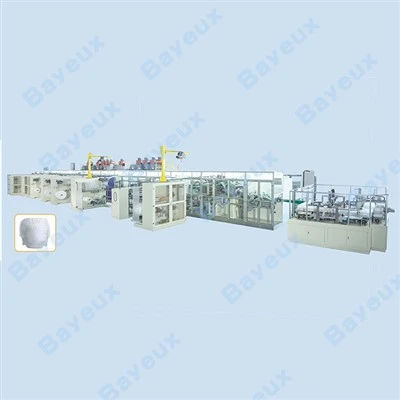
I used to fumble through answers, reciting generic industry reports and vague growth percentages. Now, after repairing old machines for clients in Vietnam, installing new automated cutting equipment in Brazil, and sitting through three-day negotiations with mid-sized shoemakers in Italy, I can tell you this: the demand isn’t just up—it’s shifting in ways that most suppliers (including me, until recently) didn’t see coming a decade ago. Let’s break down what that demand really looks like, who’s driving it, and what it means for anyone trying to navigate this part of the supply chain.
First, let’s start with the obvious: the global footwear market is huge, and it’s only getting bigger. According to recent data, the global footwear market is set to hit over $500 billion by 2027, up from around $380 billion in 2022. But here’s the part that matters to suppliers like me: the market for the machines that make those shoes? It’s growing at an even faster clip—around 6.2% annually through the same period, per industry analysts at Grand View Research. That gap, between the growth of the shoes and the machines that make them, is where all the action is. Why? Because shoemakers are no longer in the business of making 10,000 pairs of the same sneaker a year and calling it a win. They’re chasing three big things now: speed, customization, and sustainability. Each of those three is reshaping what kind of footwear machines people are buying, and how often they’re replacing old equipment.
Let’s talk about speed first, because that’s the low-hanging fruit of this shift. Five years ago, a mid-sized shoemaker in Indonesia might have run manual stitching machines that could crank out 50 pairs of casual shoes a day. Today, the same client is asking for automated stitching lines that do 200 pairs a day—with fewer errors, less downtime, and lower labor costs. The catalyst here isn’t just higher demand; it’s the rise of fast fashion but with a twist. Brands don’t want to wait six months for a new line of shoes anymore. They want small batches, launched in weeks, to test trends before scaling. For example, when a major athletic brand spots a new colorway for running shoes trending on TikTok, they need a factory that can make 5,000 pairs in two weeks, not two months. That requires machines that can switch between styles in hours, not days.
I saw this play out last year with a client in Guatemala. They’d been using 12-year-old manual cutting and sewing machines for work boots, making 3,000 pairs a month. They lost a big contract to a competitor that had invested in a modular cutting system—one that could cut three different boot patterns in a single run, no need to re-calibrate the machine each time. Within six months, they came to me asking to replace all their old equipment. “We can’t compete on lead times anymore,” their operations manager told me. “Our customers want new styles every month, not every quarter.” That’s a common story right now. The rise of e-commerce has cut down on order windows, and footwear machines have to keep up. The demand for automated, flexible machinery—things like computer-aided design (CAD) cutters, robotic stitching arms, and modular sole attaching systems—isn’t a niche demand anymore. It’s table stakes for any factory that wants to stay in business.
Next up: customization, which is the wild card that’s pushing demand in ways no one expected. Just 10 years ago, if you wanted a pair of shoes made just for your foot, you’d pay a premium at a boutique shoemaker and wait weeks. Today, brands like Nike, Adidas, and even smaller direct-to-consumer labels are offering custom shoes online—upload your foot measurements, pick your material, choose your color, and order in two weeks. To make that work, factories can’t use mass-production lines that make identical pairs. They need machines that can adjust for each unique pair on the fly.
Last year, I helped a small custom sneaker brand in Portugal install a set of robotic lacing machines that use laser guidance to adjust tension for every single shoe. Before that, their team was hand-lacing every pair, which limited them to 50 pairs a week. With the new machines, they’re at 300 pairs a week, and they just landed a partnership with a major European retailer that wants them to make custom limited-edition shoes for their members. That’s the kind of growth that’s driving demand for specialized, customizable footwear machines. It’s not just big brands, either. Mid-sized factories that once only made generic sneakers are now adding custom lines to attract younger consumers who want something unique. A recent survey of 200 footwear manufacturers by the Footwear Distributors and Retailers of America found that 68% of them plan to invest in machines that support small-batch customization in the next two years. That’s a huge jump from 32% just five years ago.
But here’s the part that’s been surprising even to me: sustainability is now the biggest driver of demand, hands down. I’ve been in this industry long enough to remember when “sustainable footwear” was a buzzword for eco-conscious brands that charged 20% more for their shoes. Today, it’s a non-negotiable requirement from every major retailer, and it’s changing what kind of footwear machines are worth buying. Let’s be clear: shoemaking is one of the most wasteful industries out there. For every pair of leather shoes made, up to 20% of the material is wasted during cutting. For synthetic sneakers, that number is even higher—some factories waste 30% of the plastic and fabric they use.
Regulations are a big part of this. The EU’s Circular Economy Action Plan, which went into effect in 2022, requires all footwear sold in the bloc to be 100% recyclable by 2030, and factories that generate more than a certain amount of waste face steep fines. Brands like H&M and Zara have already signed on to meet those targets, and they’re forcing their suppliers to do the same. That means they’re not just buying new machines—they’re ditching old ones that create too much waste, even if those machines still work.
I saw this first-hand last quarter with a client in Turkey. They had a fleet of older cutting machines that were accurate to within 5 millimeters, wasting about 18% of their leather each month. They were making a profit, but when their biggest retailer told them they needed to cut waste by 70% or lose the $2 million a year contract, they didn’t hesitate. They traded in their old machines for precision CAD cutters that are accurate to 0.5 millimeters, cutting waste down to 4%. The new machines cost 30% more upfront, but they saved enough in material costs in 18 months to pay for themselves. That’s the math right now. Footwear machines that reduce material waste, use less energy, and even process recycled materials are the ones selling fast.
Wait a second, you might be thinking—what about low-cost regions like Vietnam and Bangladesh, where labor is cheaper? Won’t factories there just stick to old, manual machines to save money? That’s a fair question, and it’s a common misconception. I’ve worked with factories in both countries, and while labor is cheaper than in Europe or North America, the pressure to be efficient is even higher. Factories in Vietnam, for example, are competing with factories in India and Indonesia for big brand contracts. They can’t afford to have 50 workers standing around doing manual stitching when a robotic arm can do the same work faster and with fewer mistakes. A friend who runs a footwear factory in Ho Chi Minh City told me he just invested $1.2 million in automated stitching lines. “My workers are skilled, but they can only make so many shoes a day,” he said. “The brands want 10% more output every year, and my workers can’t keep up. The machines can.” The demand for entry-level automated machines, not just top-of-the-line industrial ones, is booming in these low-cost regions too. Smaller factories that can’t afford $500,000 lines are buying semi-automated machines that cost $50,000 to $100,000, which cut labor costs by 40% while still letting them compete for big orders.
But here’s the flip side of this: there’s a gap in the market, and it’s leaving a lot of suppliers scrambling. The biggest demand right now isn’t just for new, shiny automated machines—it’s for machines that are easy to integrate with existing factories. A lot of footwear factories don’t have the technical team to program and maintain cutting-edge robotic lines. They don’t want to tear out all their old equipment and start over. They want to add new machines that work with what they already have. That’s why over the past three years, I’ve seen more demand for modular, backward-compatible equipment than for full line replacements. For example, a factory that has manual cutting machines can add a robotic material handling system that works with those existing machines, instead of buying an entirely new automated line. Factories want flexibility, and that’s a need that a lot of generic machine suppliers haven’t caught up to yet.
Let’s also talk about the pain points that are driving this demand, because they’re not going away anytime soon. The global shortage of skilled labor is a huge one. A 2023 report from the International Labour Organization found that the footwear industry faces a shortage of over 2 million skilled sewing and cutting workers worldwide by 2025. That’s not just a problem for factories—it’s a reason they’re buying more machines. When you can’t hire enough workers, you turn to automation. Another big pain point: supply chain delays. Post-pandemic, lead times for raw materials like leather, rubber, and synthetic fabrics are longer and more unpredictable. Machines that can process a wider range of materials—from recycled plastic to reclaimed leather—let factories adjust faster, without waiting for specific material specifications. That’s another reason demand for versatile footwear machines is up.
Now, let’s get real about the challenges, because no market is all growth. There are headwinds that are keeping some factories from investing in new equipment. The cost of machinery is still high, especially for small and mid-sized factories. A mid-sized automated stitching line can cost $200,000 to $300,000, which is a huge expense for a factory that works on thin profit margins. There’s also the issue of technical support. A lot of small factories don’t have a dedicated machine technician, so if a new robotic line breaks down, it can take weeks to get parts and service, costing them thousands in lost production. That’s why clients often ask me for two things: reliable, easy-to-maintain machines, and flexible payment plans. We’ve started offering rental options for smaller factories, which has doubled our sales in Southeast Asia over the past year. That’s a sign that the market is adapting to the gaps.
So, putting this all together: what’s the actual market demand for footwear machines? It’s strong, it’s diverse, and it’s evolving faster than ever. The old model of selling big, one-size-fits-all mass-production lines is fading. The new model is selling machines that help factories go faster, make custom products, cut waste, and integrate with what they already have. Demand is highest for automated and semi-automated equipment in fast-growing regions like Southeast Asia and Latin America, but sustainable, low-waste machines are in high demand in Europe and North America too. Even with the challenges of cost and technical support, the numbers back this up: global footwear machine sales are projected to grow to over $18 billion by 2028, up from around $13 billion in 2022. That’s not a small niche.
If you’re a footwear manufacturer reading this, or someone looking to invest in new equipment, you know that the worst thing you can do is get left behind. The factories that are thriving right now are the ones that aren’t just buying new machines—they’re buying machines that let them adapt to what customers want next. Whether you’re a small factory looking to add your first automated line, or a large facility looking to upgrade your entire production process, the market has options.

For me, this work isn’t just selling machines. It’s standing in a factory in Lima, watching a new cutting line start up and knowing that facility can now take on more orders, hire more workers, and stay competitive. It’s helping a custom shoe brand turn one-of-a-kind designs into products they can actually deliver on time. If you’re ready to talk about what kind of footwear machine works for your operations, or if you have questions about capacity, lead times, or flexible purchasing options, I’m here to help. We don’t do one-size-fits-all solutions, and we don’t leave our clients stuck with broken machines they can’t use. Reach out to start a conversation.
Shoe Machine References: Grand View Research, 2023. Global Footwear Machinery Market Size, Share & Trends Analysis Report; Footwear Distributors and Retailers of America, 2023. Customization in Footwear Manufacturing Survey; International Labour Organization, 2023. Global Footwear Industry Labor Shortage Report; European Commission, 2022. Circular Economy Action Plan for Footwear.
Quanzhou Bayeux Industrial Co., Ltd.
Address: ROOM 805,BUILDING 3,NO,8 XIANGSHAN ROAD, XIANGSHAN COMMUNITY, QINGYANG STREET, JINJIANG QUANZHOU FUJIAN.
E-mail: yeliqun_520@163.com
WebSite: https://www.qzbayeux.com/
