Hey there, if you’re reading this, chances are you’ve got an indoor LED screen that’s looking a little… off. Maybe your conference room display makes that new product demo look way too yellow, or your retail store’s digital menu boards are washing out the vibrant reds you paid for. Don’t worry—this is way more common than you think, and as an indoor LED screen supplier, I’ve helped dozens of clients fix this exact problem. Calibrating color isn’t some fancy, only-for-tech-experts trick; it’s just tweaking your screen so what you see looks exactly like what your audience should see, every single time. Let’s break this down, no boring jargon, just the stuff that actually works. Indoor LED Screen
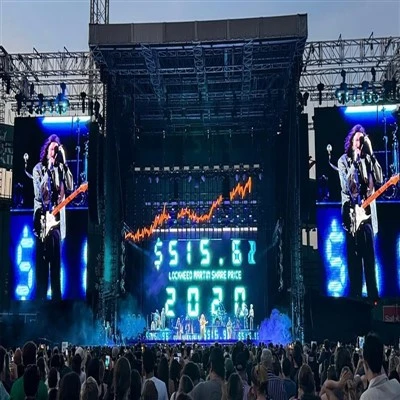
First, let’s get one thing straight: why does your indoor LED screen’s color suck in the first place? A lot of people think LEDs are “set it and forget it,” but nope. Things add up over time. If your screen’s in a retail window with lots of natural sunlight, the display might drift a little. Or you bumped a remote once and messed with the brightness sliders. Even the type of content you’re playing—if you’re using a cheap laptop to run it, that laptop’s screen is already uncalibrated, so it’s passing wonky colors to your LED screen. I’ve seen clients spend thousands on a top-tier indoor LED screen, then hook it up to a $200 gaming laptop with default settings, and wonder why their product photos look flat. Calibration fixes that disconnect between your source content and your LED display.
Now, let’s talk about what you actually need to do. I split calibration into two main types: basic quick fixes for anyone who just needs a little tweak, and pro-level stuff for when you’re running a big setup like a corporate lobby or retail wall. Let’s start with the quick stuff, because most of you probably don’t want to spend hours on this.
First step: do a pre-check before you even touch any settings. Grab your phone (wait, not as a color meter—bad idea, phone screens are super uncalibrated) and make a note of what your screen is showing. Turn off any “dynamic” or “auto” features first—those are the worst culprits. Almost every indoor LED screen has a setting that adjusts brightness based on ambient light, or “enhances” colors to look more “exciting.” That’s garbage for consistent calibration. For example, if your conference room has a window that’s brighter during the day, auto-brightness will crank up the screen’s brightness, making whites look blueish and reds pop too much. I always tell clients to flip that off. Also, unplug any random devices—if you’re running a MacBook, Windows PC, and a media player through the same splitter, that’s a mess. Stick to one source to test, and make sure its own settings are neutral: turn off its “vivid mode” too.
Next, the quick calibration tricks. Most indoor LED screens have built-in presets, right? Skip the “Sports” or “Vivid” ones—use the “Standard” or “Cinema” preset first. Why? Those are tuned to be as neutral as possible, not to make action movies look flashy. From there, tweak two main settings: brightness and color temperature. Let’s keep it simple: color temperature is just how warm or cool your whites are. Warm is yellowish, cool is bluish. For most indoor spaces—offices, conference rooms, retail stores—you want a color temperature around 6500K. That’s the “neutral white” TV and monitors are supposed to use, and it looks natural under indoor lighting. If your whites are too yellow, crank the color temperature up a little; if they’re too blue, turn it down.
Brightness is trickier. The biggest mistake I see is people cranking brightness all the way up to make the screen “pop.” But for indoor use, you don’t need that. Most indoor LED screens are rated for 200-500 nits (that’s the unit for brightness—don’t worry, just remember lower for indoor, higher for outdoor). 300 nits is a sweet spot: it’s bright enough to see even if someone’s sitting right next to it, but not so bright that it hurts your eyes or makes whites look washed out. How do you check? Take a photo of a white piece of paper indoors, then compare it to a white slide on your LED screen. If they look the same (no yellow or blue cast), you’re good. If the screen’s white is brighter than the paper, turn brightness down a little. I always tell clients: indoor screens don’t need to outshine sunlight—sunlight is way brighter. Wasting power on 800 nits indoors is just throwing money away.
Once you’ve nailed the quick tweaks, what if you need more accuracy? Like, if you’re a retail store showing product photos where a specific shade of red has to match your packaging, or a corporate office showing brand colors that have to be exact? That’s where pro calibration comes in, and this is where a lot of clients reach out to me for help.
First, you need a color calibration tool. This isn’t some $10 app on your phone—you need a hardware device, usually called a colorimeter. The most common ones are things like X-Rite i1Display Pro or Datacolor SpyderX. They’re not that expensive (around $150-$300) and worth every penny if you’re serious about color. How does it work? You plug the device into your laptop, mount it right to the LED screen (make sure there’s no glare—turn off any room lights that reflect off the screen first), and run the software. It will display a series of color patches (reds, greens, blues, neutrals) and measure how your screen is showing them. Then it creates a custom “profile” that your laptop uses to send the right colors to the LED screen. Way more accurate than guessing.
Wait, but what if you’ve got a big LED wall—like 10 feet wide with 100+ panels? Calibrating that is a whole different ballgame, and it’s not just tweaking each panel’s settings. Because even from the factory, two panels might have tiny differences in color, and over time they can drift at different rates. For that, you need a multi-panel calibration tool, which I usually recommend to clients who have large indoor installations. I’ve done this myself for a client’s 20-panel retail wall: we first did a pre-calibration to mark which panels were off, then used a camera-based tool that scans the entire wall and adjusts each panel’s output so they all look identical. The last thing you want is one panel’s red being darker than the one next to it—your customers will notice, even if they can’t put it into words.
Another big thing people miss: content source calibration. Even if your LED screen is perfect, if the photos or videos you’re playing aren’t calibrated, it’s all for nothing. That’s like having a perfect TV and playing a movie that’s been edited on a phone with bad color. I always tell clients to make sure their graphic designers or content team are exporting content in sRGB or Adobe RGB color space, not some random custom space. Most laptops and LED screens use sRGB as the standard, so if you export content in something else, it will look off. For example, if a designer uses a wide-gamut color space that has super bright greens, your LED screen might not be able to display that, so it will wash out the color. It’s a quick setting in Photoshop or Canva—just pick “sRGB IEC61966-2.1” when exporting—and it saves so much hassle.
Now, let’s talk about maintenance, because calibration isn’t a one-and-done thing. How often should you do it? For indoor screens that are in stable environments (like a conference room that doesn’t get direct sunlight), once a year is enough. If your screen is in a retail store with lots of sun exposure, or a bar that’s dimly lit, do it every 6 months. Why? LED panels drift over time—even just a little. I had a client who skipped calibration for 2 years, and when we checked, his reds were 10% darker than they should be, and his whites had a yellow cast. It looked like someone had spilled juice on the screen—totally fixable, but he wasted a lot of time before reaching out.
Also, little things can mess with calibration. If you clean your screen with harsh chemicals, that can leave a residue that changes how light reflects. I tell clients to use a microfiber cloth and mild glass cleaner, nothing else. And if you move the screen—say, rearrange a conference room—you should do a quick calibration afterward. Even a tiny shift in how the screen is positioned can change the color your eye sees.
Wait, let’s address a common myth: some people say “LED screens don’t need calibration because they’re digital.” No, that’s wrong. LEDs are still physical components, and like any physical thing, they change over time. I’ve seen new LED screens right out of the box with tiny color differences between panels—manufacturers do their best, but there’s always a little variation. Calibration evens that out. Another myth: “You have to be a graphic designer to do this.” Nope, the quick stuff takes 5 minutes, the pro stuff with a colorimeter takes 30, and even big walls can be calibrated in a couple hours. I’ve had clients do their own calibration on weekends, no tech degree needed.
So, what if you’re still confused? Or you’ve tried calibrating and it’s still off? That’s where I come in. As an indoor LED screen supplier, I don’t just sell you a screen— I help you make it work for you. We offer custom calibration services for all sizes of installations, from small conference room displays to large retail walls, and we can walk you through the quick steps if you want to do it yourself. We also provide free guides for content calibration and maintenance, because our goal isn’t just a one-time sale—it’s making sure your LED screen looks as good as the day we installed it, for years to come.
Whether you’re noticing off colors, want to make sure your brand displays exactly right, or just tired of your screen looking washed out, calibration is the fix. It’s not complicated, it’s not expensive, and it makes a way bigger difference than you think. Don’t let a little color drift ruin your brand’s image or your client’s presentation. If you need help, or if you’re in the market for a new indoor LED screen that’s easy to calibrate and maintain, reach out to our team for a no-obligation chat. We’ll walk you through what works for your space, no tech jargon, no pressure.
GOB LED Screen References
- Industrial Displays: LED Screen Color Calibration Best Practices. LED Professional Association
- Display Color Management: A Practical Guide. Society for Imaging Science and Technology
- Indoor LED Screen Maintenance Handbook. Digital Signage Federation
- Color Temperature Standards for Commercial Display Applications. Consumer Technology Association
Shenzhen ABXLED Industrial Co., Ltd.
Shenzhen ABXLED Industrial Co., Ltd. is one of the most professional indoor led screen manufacturers and suppliers in China, featured by quality products and good price. Please rest assured to wholesale durable indoor led screen in stock here and get quotation from our factory. We also accept customized orders.
Address: Building E, Diweixin Industrial Park, Beihuan Road, Shiyan, Baoan District, Shenzhen city, Guangdong Province, China
E-mail: Sales01@abxled.com
WebSite: https://www.abxled.com/
