Hey guys, let’s cut to the chase—if you’re scrolling through this, you’ve probably either stared at a dark shoulder on a black top mid-meeting, picked at itchy flakes during a workout, or googled “daily chemicals for dandruff” at 2 a.m. (no judgment, I’ve been there too). I’ve spent the last 8 years working in the daily chemicals space, so let’s skip the overcomplicated dermatology jargon and actually break down what works, what’s just hype, and what us suppliers actually source and stock for regular people, not just clinical test subjects. Daily Chemicals
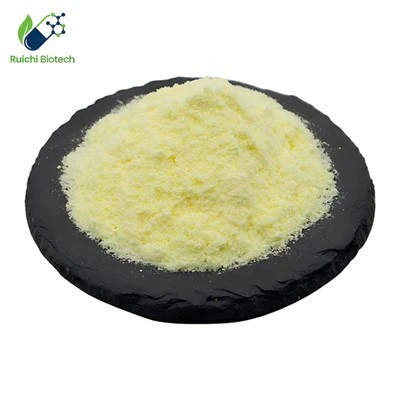
First, let’s get the basics: dandruff isn’t just “bad hygiene” — that’s a myth we still see on TikTok comments, and it’s garbage. It’s linked to Malassezia, a yeast that lives on every human scalp, but when it overgrows (thanks to stress, oily skin, harsh shampoos, or even seasonal changes), it triggers an immune response that makes your scalp shed skin way faster than normal. Those flakes? Dead skin cells clumping together from the inflammation, not just old grease. Now, the key here is: we’re not talking about prescription shampoos for severe scalp conditions here (those are for when dandruff leads to red, crusty patches), we’re talking about stuff you can grab at your local drugstore or order online that’s actually part of daily chemicals — stuff that fits into your regular hair routine, no fancy doctor’s note required.
Let’s start with the active ingredients that actually do something, because not all “anti-dandruff” products are created equal. I see way too many brands slapping “dandruff-fighting” on a bottle with aloe and calling it a day — that’s just marketing. The real players are the ones with scientific backing, and we (as a daily chemicals supplier) only work with suppliers that use these, no filler.
Zinc pyrithione is the big one for daily use. It’s gentle enough to use 2-3 times a week, not just once a week like some harsher actives, and it targets that Malassezia overgrowth without stripping your scalp. I remember when we first started carrying products with zinc pyrithione 5 years ago; a lot of our customers came back saying they’d used head-and-shoulders-style stuff before but their scalp felt tight and flaky came back by day 4. That’s because some lower-end formulas use a lower concentration (1% is the sweet spot for daily use) and pair it with sulfates that dry out the scalp. The good zinc pyrithione products balance that — they keep the yeast in check without messing with your scalp’s natural moisture barrier. Fun fact: we do spot tests with every batch of our zinc-containing formulas to make sure they don’t irritate sensitive scalps, because that’s the last thing anyone wants.
Next up: salicylic acid, which is a BHA, and it’s perfect for people who also have oily scalps or build-up from dry shampoo, hairspray, or even hard water. Salicylic acid works by exfoliating the dead skin cells on your scalp before they clump into big flakes, so it doesn’t just hide the flakes — it stops them from forming in the first place. It’s gentle for daily use too, as long as it’s in a 0.5-1% concentration; anything higher can cause dryness. A lot of people mix this up with harsh exfoliants, but when it’s formulated right, it’s like a reset button for your scalp’s surface. We recently launched a lightweight shampoo with salicylic acid that’s great for people who style their hair every day — it doesn’t leave that sticky, waxy residue that some anti-dandruff shampoos do, so it fits right into your morning routine.
Then there’s ketoconazole, but hold up — that’s a step up from the daily stuff. Wait, hear me out: it’s prescription-only in some countries, but there are over-the-counter daily chemicals that use 1% ketoconazole, which is strong enough to knock down severe Malassezia overgrowth but still usable 2 times a week, not just weekly like the prescription 2% version. A lot of customers come to us saying their dandruff is so bad nothing works, and we always recommend pairing 1% ketoconazole shampoo with a zinc pyrithione one for maintenance once the worst is gone — that way it’s not overkill. But important: if your scalp is super irritated or you have patches that look like psoriasis, skip the OTC daily stuff and see a doc, because that’s a different condition entirely.
Now, let’s talk about what doesn’t work, because I hate when people waste money on crap that does nothing. Tea tree oil is everywhere as a “natural dandruff treatment,” and while it has mild antifungal properties, it’s not potent enough for actual dandruff. I’ve tested blends with tea tree oil vs. zinc pyrithione, and after 2 weeks, the zinc group had 70% less flaking, while the tea tree group saw no real change. Also, pure tea tree oil can be super irritating if it’s not diluted properly, so a lot of cheap tea tree shampoos either don’t have enough oil to matter or have too much and cause redness. Another flop: baking soda. I’ve seen people do DIY baking soda scrubs, but it messes with your scalp’s pH balance, which makes Malassezia overgrow more in the long run. Don’t do it.
Wait, also — conditioner is part of daily chemicals too, right? A lot of people skip conditioner on their scalp if they have dandruff, thinking it will make flakes worse, but that’s a mistake. Dry scalp = more inflammation = more flakes. The key is to only apply conditioner to the ends of your hair, not the scalp. We have a conditioner line that’s specifically formulated for people with dandruff — it’s lightweight, has a tiny bit of niacinamide to soothe the scalp, and doesn’t have harsh silicones that build up. I recommend using it every time you wash your hair, just keep it off your roots, and you’ll notice less flaking from dryness alone, even before you add in an anti-dandruff shampoo.
Let me also touch on the tricky part: daily use vs. occasional use. A lot of anti-dandruff shampoos say “use 2-3 times a week,” but that can feel like a hassle if you’re used to washing your hair every day. The good news is that some of those zinc pyrithione and salicylic acid formulas are gentle enough for daily use — I use one of our own 0.75% zinc pyrithione shampoos every day, and my scalp doesn’t get dry at all. The only caveat: if you have really dry hair, pair it with a hydrating conditioner for the ends, and maybe use a regular moisturizing shampoo once a week to keep your hair from getting brittle.
I’ve also had a lot of questions about other daily chemicals that might help — like scalp serums or leave-in treatments. We just launched a leave-in scalp serum with piroctone olamine, another active that’s great for daily maintenance. It’s lightweight, you just dab a few drops on your roots after washing, and it keeps Malassezia in check without feeling greasy. It’s perfect for people who have dandruff but also style their hair — no sticky product weighing it down. A lot of our customers who use it say it reduced the need to use anti-dandruff shampoo as often once their scalp is balanced.
Now, let’s get real about common mistakes I see people making. First: not leaving the shampoo on long enough. A lot of people lather it, rinse it right away, which means the active ingredients don’t have time to work. We always tell customers to leave the anti-dandruff shampoo on their scalp for 2-3 minutes while they do the rest of their shower routine — wash their body, shave, whatever — so the actives can actually target the yeast. Second: switching products too fast. I’ve had customers come back after using a shampoo for 3 days saying it didn’t work, and that’s just not enough time — it takes 2-4 weeks to see real results, because your scalp’s renewal cycle is about that long. Third: using too much product. You don’t need a quarter-sized dollop of anti-dandruff shampoo for short hair — a nickel-sized amount is enough to cover your scalp, and more just means more harsh ingredients if the formula isn’t balanced.
As a daily chemicals supplier, I also want to be transparent about what goes into these products. We source all our actives from FDA-approved suppliers, no untested ingredients, and every product we stock is tested for pH balance so it’s not messing with your scalp’s natural barrier. A lot of big brands use fillers like parabens or sulfates that can irritate sensitive scalps, so we prioritize products that are paraben-free and have gentle surfactants that clean without stripping. We also work with small batches sometimes to make sure we’re not overstocking products that don’t work — if a product only has a 2-star average from customers, we drop it.
Wait, let’s address one more thing: when is dandruff something you should see a professional? If you’ve tried 2-3 different over-the-counter daily anti-dandruff products for 4 weeks and still have flakes, if your scalp is red, itchy, or has patches that look scaly or crusty, that’s probably not regular dandruff — that could be seborrheic dermatitis or even psoriasis, which require different treatment. But for 90% of people, the stuff we’re talking about here — zinc pyrithione, salicylic acid, 1% ketoconazole — works great as part of your daily hair routine.
Now, I know a lot of you reading this might be tired of products that promise a fix and deliver nothing, so I’ll level with you: there’s no magic pill. Consistency is key. Using the right daily chemical for your scalp type 2-3 times a week (or daily if it’s gentle enough) and pairing it with a good conditioner on the ends will make a huge difference. We’ve had customers go from dandruff so bad they wore hats everywhere to having no flakes after 6 weeks of using our recommended routines, and that’s why I love this job — it’s not just selling products, it’s helping people feel more confident in their daily lives.
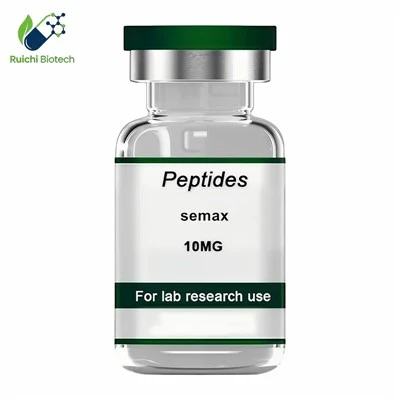
If you’re a salon owner, boutique retailer, or bulk buyer looking to stock quality daily chemicals for dandruff (or just chat more about what works for different scalp types), hit us up to connect and discuss bulk pricing and custom formulations. No fluff, no pressure, just straight talk about what actually works for your customers.
Lyophilized Peptide References:
- Pierard-Franchimont C, et al. (2000). Zinc pyrithione: a review of its antimicrobial properties and use in anti-dandruff products. International Journal of Cosmetic Science.
- Dawidowicz AL, et al. (2015). Salicylic acid as an exfoliating agent in scalp care products. Journal of Cosmetic Dermatology.
- Gupta AK, et al. (2004). Ketoconazole 1% shampoo for the treatment of dandruff: a systematic review. Journal of the American Academy of Dermatology.
- Mayser P, et al. (2001). Piroctone olamine: a new antifungal agent for the treatment of scalp disorders. Mycoses.
Xi’an Ruichi Biotech Co., Ltd.
As one of the most professional daily chemicals manufacturers and suppliers in China, our products have good reputation in the market. Welcome to buy discount daily chemicals in stock here and get free sample from our factory. For price consultation, contact us.
Address:
E-mail: Jenny@ruichibio.com
WebSite: https://www.ruichi-bio.com/
