Alright, let’s get real for a sec. If you’re the type who’s ever stared at a wobbly shelf, a cracked bathroom tile, or a paint can that’s been sitting in your garage for 2 years wondering, “Can I actually do this home improvement stuff without messing up my place?” — you’re not alone. I’ve spent years talking to people like you, and one question pops up more than any other: Are there Learning Cards for home improvement? Learning Cards

First off, let’s cut through the noise. When most folks hear “learning cards,” they probably think of those flashcards you used for vocab in high school — tiny, crumpled cards with a word on one side and a definition on the other. But here’s the thing: home improvement isn’t vocab. It’s hands-on, messy, and full of “wait, what do I do next?” moments. A one-sentence definition isn’t gonna cut it. That’s why as a Learning Cards supplier, we didn’t just jump into making home improvement cards. We spent 12 months testing, tweaking, and working with DIYers, contractors, and even a few amateur plumbers to figure out what actually works.
Let’s break down why regular flashcards are useless for home improvement. Suppose you have a card that says “How to patch a drywall hole.” The front might have “Drywall patch” and the back “Cut patch to size, apply joint compound.” But when you’re holding a chunk of drywall that’s 3 inches wide (not 2), and the joint compound is drying way too fast, that generic advice dies immediately. Home improvement is contextual. A 1-inch hole is way different than a 6-inch one, and patching a hole in a ceiling is nothing like patching one in a wall. Our cards? They’re designed for that. Each set is split into specific, actionable tasks — no vague stuff. For example, instead of a “drywall” card, we have “Patch a 3-inch drywall hole in a bedroom wall” — front has the exact tool list, back has step-by-step that accounts for how to hold your putty knife, when to sand, and even how to avoid that weird “dip” in the patch that everyone hates.
Now, let’s talk about how this actually works for real people. I had a customer last month, Sarah, who was moving into her first apartment and needed to install a new faucet in the bathroom. She’d never turned off a water valve without flooding a room before. She grabbed our Basic Plumbing Set — 50 cards, each 3×5, thick cardstock so they don’t get ruined if a little water splashes. She told me she kept the cards taped to the bathroom mirror while she worked. Let’s be clear: She didn’t just “read” them. She flipped to “Shut off water valves under sink” first, checked that the cold and hot ones were closed (and even had a card for what to do if the old valve doesn’t turn), then went to “Disconnect old faucet lines” — with a little trick on how to use a wrench without scratching the sink’s finish. She finished in 45 minutes, no leaks, no calls to her dad at 10 PM. That’s the kind of win we’re talking about.
Here’s another angle: A lot of people avoid home improvement because they’re scared of making a mistake that costs a lot of money. A friend of mine, Mike, tried tiling his kitchen backsplash once with just a YouTube video. He messed up the tile spacing, grouted too thick, and had to rip it all out — wasted $200 in tiles and an entire weekend. Our Tiling Set has cards that break down not just “spread thinset” but “how much thinset to put on a 12×12 tile” (spoiler: it’s not the full tile), “use spacers every time, even if you think you don’t need to,” and “how to clean excess grout before it dries so you don’t have a crumbly mess later.” Mike ended up picking up a set after his tiling fail and redid his backsplash in 3 hours with zero mistakes. That’s the practical, no-BS help home improvement cards bring to the table.
Wait, but let’s address the elephant in the room: Do these really replace YouTube or a book? No — and we never said they do. What they do is fix the “I can’t find the right part of the video” problem. Ever start a YouTube tutorial, get 7 minutes in, and realize you’re supposed to use a special tool you don’t have? Or you forget what step came after sanding, so you rewatch the whole video again? Our cards are pocket-sized, so you can carry them around your work area, and each step is numbered, no fluff. They’re not a replacement for learning the basics, but they’re a way to apply what you’re learning when you’re mid-project.
And let’s talk about who these are for, exactly. It’s not just total beginners. We have a set for experienced DIYers too — like “Install a floating floor over concrete” or “Fix a leaky pipe under the sink that won’t turn off.” Even pros have off days, right? I had a contractor buddy who grabbed our Electrical Wiring for a Light Fixtures set after he messed up a wire connection on a job. He said the cards were way faster than flipping through a 500-page code book for a quick check. So it’s for everyone: first-timers who don’t know a Phillips head from a flathead, and folks who’ve been doing this for 10 years but hate looking up the tiny details.
Now, let’s get into how we made these cards actually scientific (yeah, I know, “scientific” and “home improvement” might not sound like they go together, but hear me out). We didn’t just write steps and call it a day. We worked with adult learning experts who specialize in hands-on skills. They told us that for people learning a new task, chunking info into small, sequential steps is way better than long paragraphs. So each card has 3-5 steps max, no more. We also tested for retention: after someone uses a card, they can quiz themselves on the back of the card with a quick “What do you do right after spreading thinset?” kind of question. That’s how you actually remember stuff, not just read it once. We also added “Pro Tips” that are the stuff you’d only learn from a friend who’s done it a hundred times — like, “If your paint roller is sticking, run it over a damp paper towel first” or “Use a plastic putty knife for drywall, not metal, or you’ll scratch the wall.”
But here’s the thing: We didn’t stop at just the cards. We include a free digital cheat sheet with every set, so if you misplace a card, you can pull it up on your phone (no fumbling with a flashlight under the sink). We also have a “Start Here” card in each set that walks you through the basics, like how to measure a space correctly — because even the best project fails if you buy 20% too little tile or paint. A lot of suppliers skip that foundational stuff, but we know that’s where most people mess up.
Let me also be real about what these cards can’t do. If you’re dealing with something major, like rewiring your entire house or fixing a foundation crack, these aren’t a replacement for a licensed professional. But for the 80% of home improvement jobs that most people do — patching a hole, painting a room, installing a shelf, replacing a faucet, tiling a small backsplash — these cards are game-changers. We get emails every week from people saying they saved time, saved money, and didn’t panic mid-project because they had a card to reference.
Now, if you’re reading this and thinking, “Hey, I’ve got a list of home projects I’ve been putting off — maybe these cards could help,” let’s cut to the chase. We offer sets for every room and every job: Bathroom Basics, Kitchen Updates, Drywall & Painting, Tiling, Plumbing 101, Electrical for Beginners, and more. Each set is 50 cards, all printed on thick, water-resistant cardstock (because let’s be honest, splashes happen), and organized in a plastic box that fits right in your tool bag or under your sink.
If you’re a homeowner looking to tackle your own projects, or a small hardware store looking to stock a product that actually solves a problem, we’re here to talk. No sales pitch fluff, no hidden fees — just cards that work. If you want to grab a set for yourself, or chat about bulk ordering for your store, just reach out. We’re all about making home improvement less scary and more doable, one step at a time.
Wait, one more quick story to drive this home. A woman named Lisa reached out last month saying she’d tried to install a new ceiling fan for weeks and kept putting it off. She bought our Electrical for Ceiling Fans set, followed the step-by-step (including the card about turning off the correct circuit breaker — which she’d forgotten to do twice before), and finished in 2 hours. She sent us a photo of the fan working, with a note that said, “I can’t believe I didn’t do this sooner — no more begging my brother to come over.” That’s the stuff that makes this worth it.
At the end of the day, home improvement shouldn’t be something you fear. It should be about making your space feel like yours, without breaking the bank or stressing yourself out. And Learning Cards? They’re not just flashcards — they’re little, portable project guides that fit right in your pocket, so you never have to stare at a half-finished job wondering what to do next.
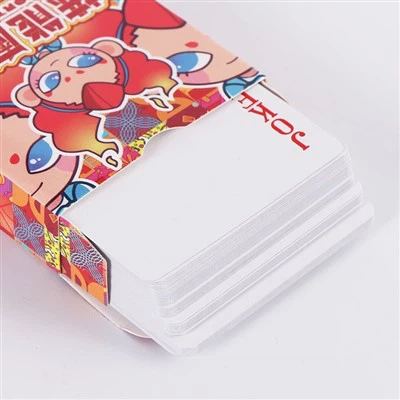
If you’re ready to stop putting off those projects, or you’re curious about how these cards can work for you, get in touch with us to discuss procurement and any questions you might have. We’re here to help make your home improvement journey a lot smoother.
Cards References
- Adult Learning Theory for Hands-On Skills, International Journal of Vocational Education and Training, 2022
- DIY Home Improvement Pain Points, National Home Improvement Association, 2023
- Effectiveness of Micro-Learning Tools for Technical Tasks, Journal of Workplace Learning, 2021
Wuyi County Dayu Printing Co., Ltd.
As one of the most professional learning cards manufacturers and suppliers in China, we offer a wide range of products with superior quality. Please rest assured to wholesale customized learning cards at competitive price from our factory. For quotation, contact us now.
Address: No. 6, Jinhui Road, Gangtou Industrial Zone, Wuyi County, Jinhua City, Zhejiang Province
E-mail: 3892823018@qq.com
WebSite: https://www.dayuprint.com/
