If you’ve ever worked in healthcare, run a clinic, or even dabbled in home medical care (like managing insulin shots or wound care), there’s one question that pops up more times than you’d think: can you just toss a syringe straight into a sharps container? As a supplier of sharps containers, I get this question at least a handful of times a week—so I’m here to break this down plainly, no confusing jargon, and tell you what actually matters here. Sharps Container

First, let’s cut through the confusion: not all syringes are the same, and not all sharps containers handle them the same. Let’s start with the basics. A sharps container isn’t just a thick plastic box for sharp stuff—it’s a sealed, puncture-proof, tamper-proof container made specifically for items that can stick, cut, or spread bloodborne pathogens. Syringes (even the ones that are pre-filled or have needles attached) are definitely sharps, right? But wait—there’s a catch here: empty vs. contaminated syringes, and whether the needle’s been removed.
Let’s talk about empty syringes first. If you’re using a syringe for a non-medical, clean purpose (like measuring lab chemicals for a personal project, not injecting anyone), the CDC says you can put that into a sharps container only if the needle’s still attached. But wait—why? Even an empty needle can prick you if it’s sticking out, and a sharps container’s lid with a needle safety slot is built to lock that needle in so it can’t poke through. If you remove the needle, some people try to toss the needle in the sharps and the syringe in regular trash—but that’s a no-go for most local waste rules. Syringe barrels, even empty ones, can have trace contaminants, and many facilities prefer to dispose of all connected sharps items together to avoid cross-contamination.
Now, the big one: contaminated syringes. These are syringes that’ve been used for shots, drawing blood, administering meds to a patient, or touching any body fluids. The CDC and OSHA both say absolutely yes—they belong in a sharps container, but only if the needle is still attached. Why? Because if you remove a contaminated needle yourself, you’re at way higher risk of a needlestick injury. Even if you use a needle clipper, which a lot of people do, that clipper can slip, or the needle can fly off and stick you. Most sharp injuries happen right when someone’s trying to remove a needle from a used syringe, so leaving the needle on until it’s in the sharps container is the safest call.
Wait, but what about syringes with retractable needles? You know the ones—the needles that slide back into the barrel after use. Those are still syringes, and they’re totally fine to put in a standard sharps container, as long as you use the container’s designated slot. Those needles are locked in, so no risk of them popping out, which is why a lot of clinics love them. But if someone tries to stuff a bunch of retractable syringes into the container too fast, they can jam—so we always tell people to load them slowly, one at a time, to avoid that.
Now, let’s clear up some myths I hear all the time. One: “I can put a syringe with a needle in regular trash if I cap it first.” Wait, no—those old plastic needle caps are flimsy. A lot of times, people cap a needle and then it still pokes through the cap, or the cap comes off when the trash gets hauled. Even if you cap it, a regular trash bag isn’t puncture-proof, so waste handlers can easily get pricked. That’s why sharps containers are non-negotiable here—they’re made to hold that sharp stuff without leaking.
Another myth: “All sharps containers work for all syringes.” Nah, that’s not true. A lot of people buy a cheap sharps container online that’s thin plastic, and when you stick a syringe needle into it, it punctures right through. We test our containers every quarter to make sure they can handle up to 1,000 needlesticks without breaking, which is way more than the average clinic goes through in a month. Also, some sharps containers are small for at-home use—like the ones people keep in their kitchen for diabetic care—and others are big for hospitals that go through hundreds of syringes a day. Mixing that up is a mistake. For example, a tiny 1-quart at-home container won’t work for a clinic, because it’ll fill up too fast, and you’ll have to dispose of it sooner than you need to.
What about things people accidentally toss with syringes? Like bandages, alcohol wipes, or even gloves? That’s another common mistake. Some people throw those into the sharps container with the syringe, but sharps containers are for sharps only. If you toss soft stuff in there, it can block the needle slot, make it hard to close the container, and even cause leaks when you seal it. We always tell customers to keep non-sharp waste separate—use a regular trash bin for wipes and gloves, and only sharps (needles, syringes, lancets, scalpels) go in the sharps container.
Now, let’s talk about what happens after you fill a sharps container with syringes. Once it’s ¾ full (that’s the rule everywhere, by the way—you can’t overfill it), you seal the lid, label it with the biohazard symbol, and arrange for a licensed medical waste company to pick it up. You can’t just throw a sealed sharps container in the dumpster—those are regulated wastes, and improper disposal can get you fined, or worse, lead to needlestick injuries for trash workers. That’s why a lot of our customers are clinics, home health agencies, and even animal shelters—they know cutting corners on sharps disposal is a bad call.
I get it, though—small places, like a local doctor’s office or a person managing their own diabetes at home, don’t always have access to big medical waste services. That’s why we make at-home sharps containers that are cheap, easy to use, and fit under a sink. We even send guides with them that walk you through exactly how to dispose of full containers, so someone who’s not a medical pro doesn’t mess it up.
Wait, another question I get: “Can I put a broken syringe in a sharps container?” Yes, but only if you don’t handle the broken needle. If a syringe breaks mid-use, don’t try to pick up the loose needle with your fingers—use forceps or a pair of tongs to grab it, then drop it straight into the sharps container. Never touch a broken sharp with bare hands, that’s how most injuries happen.
Let’s wrap this up: the short answer to “Can syringes be put in a Sharps Container?” is yes, 100%—as long as they’re used or contaminated, the needle’s still attached, you’re using a proper puncture-proof sharps container, and you don’t toss non-sharp stuff in with them. It’s not just a rule—it’s about keeping you, your staff, and the people who handle your waste safe.
If you’re running low on sharps containers, or you’re not sure which size is right for your clinic, home care setup, or animal shelter, reach out anytime. We’ve got different types for every need, and we’ll help you figure out what works best, no sales pitch required—just straight talk about keeping everyone safe.
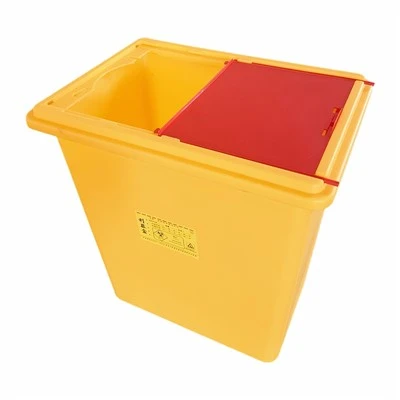
Square Shape Sharps Container References
- Centers for Disease Control and Prevention (CDC). (2022). Safe Injection Practices and Sharps Disposal.
- Occupational Safety and Health Administration (OSHA). (2021). Bloodborne Pathogens Standard and Sharps Injury Prevention.
- World Health Organization (WHO). (2020). Guidelines for Safe Management of Sharps in Healthcare Settings.
- National Waste and Recycling Association. (2023). Medical Sharps Disposal Best Practices.
- American Red Cross. (2022). Home Sharps Disposal Guide for At-Home Medical Care.
Taizhou Huangyan Dingjian Plastic Industry Co., Ltd.
As one of the most professional sharps container manufacturers and suppliers in China, we’re featured by quality products and good service. Please rest assured to wholesale bulk customized sharps container from our factory. For free sample, contact us now.
Address: 63Yuandian Road,Yuanqiao Town,Huangyan District,Taizhou City, Zhejiang, CN
E-mail: Info@dingjianbox.com
WebSite: https://www.dingjian-sharps.com/
