Hey everyone, Decking Bamboo
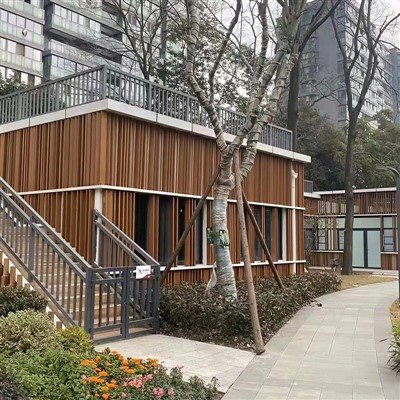
If you’ve been looking into upgrading your outdoor space lately, you’ve probably heard decking bamboo is way more popular than it used to be— and for good reason. It’s durable, eco-friendly, and gives that warm, natural vibe that wood decks try to nail but often fall short of. But let’s be real, when you’re budgeting for a new deck, one of the first questions that pops up is: “What’s the price range of decking bamboo per square foot?” As a supplier who’s been in this game for years, I get how confusing the different price points can be. That’s why I’m breaking this down straight from someone who deals with bamboo decking materials every single day— no jargon, no fake numbers, just the real deal.
First off, let’s get one thing out of the way: decking bamboo isn’t a one-size-fits-all product. The price per square foot shifts depending on a bunch of factors, and skipping over those will leave you either overspending on stuff you don’t need or settling for something that won’t last. Let’s start with the basics: the average price range I see most often for standard decking bamboo (the kind that works for most backyard patios or small decks) is between $3 and $8 per square foot. But wait, that’s just the base— and there’s a lot that goes into that spread.
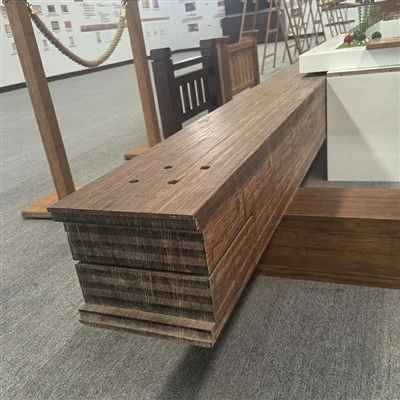
Let’s start with the type of bamboo itself. Not all bamboo is made equal for decking. There’s solid bamboo decking, which is the thicker, more substantial stuff, and engineered bamboo decking, which is made from compressed bamboo fibers. Solid bamboo usually lands on the higher end of that range— like $5 to $8 per square foot. Why? Because it’s denser, it holds up better to foot traffic, and it resists scratches way more than engineered stuff. It’s perfect if you have a big family, pets that love running around outside, or you live in an area with harsh weather— like heavy rain or extreme heat. The solid stuff is basically designed to last decades, so the extra cost is worth it for a lot of people.
Engineered bamboo, on the other hand, is the more budget-friendly option, usually running $3 to $5 per square foot. It’s still great— it’s made from processed bamboo that’s bonded with adhesives (don’t worry, we only use low-VOC adhesives for this, so it’s safe for kids and pets) and it’s lighter, easier to cut for DIY projects, which is a big plus if you’re planning to install it yourself. The only catch? It’s not quite as durable as solid bamboo— it might scratch easier if you drag heavy furniture across it, and it can warp a little if you leave it exposed to constant standing water, so it’s better for smaller decks or areas where you’re not going to be dragging tons of stuff around.
Next up: the grade of the bamboo. This is a huge one that a lot of people overlook. Bamboo grades are based on things like color consistency, knot density, and overall quality. The top grade— often called “select grade” or “premium”— has almost no knots, consistent light to medium color (think warm honey or light brown), and a super smooth finish. This grade is going to be on the higher end, right around $7 to $8 per square foot. It looks like natural hardwood, no flaws, so if you want your deck to look flawless and maybe boost your home’s value a little, this is the way to go.
Then there’s the “standard grade” or “number one” grade, which is what most people buy for everyday use. This has a few small knots or natural color variations— nothing that’s going to ruin the look, just enough to tell it’s real bamboo. This grade is usually $4 to $6 per square foot, and it’s the sweet spot for most people. It’s durable enough, looks great, and doesn’t break the bank. The lowest grade, sometimes called “construction grade,” is the cheapest— around $3 to $4 per square foot. It has more knots, darker streaks, and is a little thinner, so it’s mostly for temporary structures or areas that don’t get a ton of use. We don’t recommend it for permanent decks, but if you’re doing a small project that won’t see heavy traffic, it works.
Weather resistance is another factor that changes the price. If you live somewhere with really hot, dry summers or lots of rain, you’ll want pressure-treated bamboo or bamboo that’s been sealed with a UV-resistant coating. That stuff adds a dollar or two per square foot. Standard untreated bamboo might look good at first, but it can fade to a dull gray in a year or two, and it’s more prone to rot if it’s always damp. We always suggest getting sealed bamboo if you’re in a climate that’s not mild year-round— the extra cost is worth it to keep your deck looking good for longer.
Wait, let’s also talk about installation. A lot of people forget that the price per square foot isn’t just for the material— it’s usually separate from installation costs, but if you’re hiring a pro, their rates will depend on how easy the bamboo is to work with. Engineered bamboo is easier for DIYers, so installation costs might be lower if you’re doing it yourself, while solid bamboo might need a bit more work, which can add to the total. But that’s not really part of the material price, so I just wanted to mention it here because it ties into the overall cost of your deck.
Now, let’s get real about what you actually get for each price point. Let’s say you’re on a tight budget: you can get basic construction grade engineered bamboo for $3 a square foot, but like I said, that’s not going to last as long. If you plan to sell your house in the next 5 years, that might be fine, because you can replace it later. But if you want a deck that’s going to be there for 10+ years, go with standard grade solid bamboo— that’s $5 to $6 a square foot, and it’s going to hold up. The premium grade solid bamboo at $8 a square foot is for people who want that high-end look, no compromises. It’s the same stuff we use for custom projects where clients want their deck to look as good as the inside of their house.
I should also mention that prices can vary a little depending on where you live. If you’re in a big city with high shipping costs, you might pay a dollar or two more per square foot than someone who’s closer to a bamboo supplier. That’s why it’s always a good idea to check with local suppliers, but as someone who ships bamboo all over the country, that’s a common variable. Also, bulk orders— if you’re buying enough material for a whole deck, not just a small patch, you can usually get a discount. That’s why it’s good to work with a supplier that will work with you on bulk pricing, instead of charging retail for every square foot.
Wait, let’s clear up a common myth: some people think bamboo is just as expensive as hardwood, but that’s not always true. A lot of hardwoods like teak or cedar can be $8 to $12 per square foot, so bamboo is actually a cheaper alternative that’s more eco-friendly, too. That’s why so many people are switching to bamboo these days— it’s the best of both worlds: cost-effective and sustainable, since bamboo grows way faster than trees (it can mature in 3 to 5 years, compared to 20+ for oak).
Now, what about extras? Things like hidden fasteners, under-deck drainage, or edge trim— those are add-ons that add to the total cost, but they’re usually separate from the bamboo material price. Hidden fasteners, for example, are a good investment because they make your deck look seamless, no nails sticking out, and they add a little to the material cost but save you from having to touch up nails later.
Let me also share a quick example to make this concrete. Say you have a 200-square-foot deck. If you go with standard grade engineered bamboo at $4 per square foot, that’s $800 for the material. If you go with standard grade solid bamboo at $6 per square foot, that’s $1200. That’s a $400 difference, but the solid bamboo will last twice as long, right? So over time, it’s actually a better value. The premium grade would be $1400 for 200 square feet, but if you want that top look, it’s worth it.
I’ve had so many customers come to me confused about why the price varies so much, and that’s exactly why I wanted to write this. A lot of suppliers will just throw a number at you without explaining what’s included, but for us, we want you to know exactly what you’re getting. If you tell me your budget, how big your deck is, and what kind of weather you deal with, I can point you to the right grade and type so you don’t waste money on stuff you don’t need.
Another thing: don’t forget about maintenance. Cheaper bamboo might need more maintenance, like re-sealing every year, while higher grade solid bamboo only needs re-sealing every 3 to 5 years. That’s another cost to factor in over time. So even if the initial price is lower, the long-term cost might be higher for the budget options.
Okay, let’s wrap this up. The price range for decking bamboo per square foot is roughly $3 to $8, but that’s a wide range because of grades, types, and features. Here’s the quick breakdown to remember:
- Budget (under $4/sq ft): Construction grade engineered, good for temporary use or small projects, low durability.
- Mid-range ($4 to $6/sq ft): Standard grade, either solid or engineered, perfect for most permanent decks, good balance of cost and durability.
- High-end ($6 to $8/sq ft): Premium solid bamboo, best for high-traffic areas, harsh weather, or if you want a flawless, long-lasting deck.
If you’re still not sure what’s right for your space, or you want to get a custom quote for your project, don’t hesitate to reach out. I’m here to answer all your questions, help you figure out how much material you need, and make sure you get the best deal that fits your needs. We work with all kinds of clients— from DIY homeowners to general contractors— so no project is too big or too small. We’re not the kind of supplier that just sends you a box of materials and disappears; we’re here to make sure your bamboo deck goes smoothly, from start to finish.
So if you’re ready to start planning your deck, or you have questions about specific prices for your area, just get in touch. We can talk through your project, give you a clear breakdown of costs, and make sure you get the right bamboo decking for your home and budget. Don’t let the price range stress you out— with bamboo, there’s an option for every budget, and it’s one of the best investments you can make for your outdoor space.
Structural Bamboo References:
- American Bamboo Society. (2022). Bamboo as a Building Material: Properties and Applications.
- National Association of Home Builders. (2023). Outdoor Decking Material Cost Guide.
- International Code Council. (2021). Residential Deck Construction Standards for Engineered Wood Products.
Fujian Jingmingsheng Forestry Technology Co., Ltd.
As one of the most professional decking bamboo manufacturers and suppliers in China, we offer a wide range of products with superior quality. With abundant experience, we warmly welcome you to wholesale bulk decking bamboo in stock here from our factory. Customized orders are welcome.
Address: No. 1, Daban, Fuzhuang, Xiyang Town, Yongan City, Sanming City, Fujian Province
E-mail: 17759790120@163.com
WebSite: https://www.jingangzhu.com/
