Alright, let’s cut to the chase—if you’ve ever stepped foot in a workshop, you know dust isn’t just an annoyance. It’s the silent saboteur that messes with tools, slows down jobs, and even poses a real safety risk. And when it comes to tackling that workshop dust, the duster is way more than just a fluffy rag you grab on a lazy Tuesday. As someone who’s been supplying these bad boys to shops for years, I’ve seen firsthand how much they actually do—way beyond just wiping off sawdust. Let’s break down what a workshop duster is really for, because trust me, it’s not one-size-fits-all. Dusters
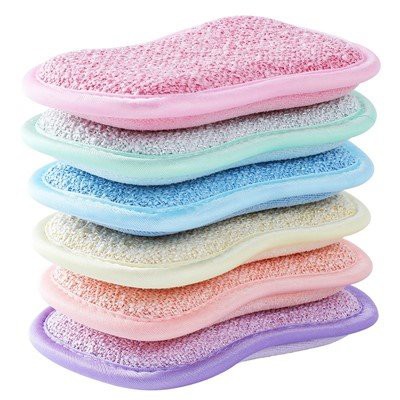
First off, let’s talk about the big one: surface prep. I can’t tell you how many times I’ve heard a machinist say they thought they’d “finished” a job, only to realize there’s a layer of metal shavings, fiberglass dust, or saw gunk sitting on the workbench. If you’re painting a cabinet, buffing a car’s body, or assembling precision parts like bolts for a engine, even a tiny speck of dust will ruin everything. I once had a regular customer who runs a custom woodworking shop tell me he used to use paper towels before switching to our microfiber dusters. He said he’d waste three rolls per day on a project, and still end up with enough lint on a tabletop to make him sand it again. Now? One duster does the job in half the time, no lint, no mess. That’s the kind of game-changer I love hearing about. Dusters here aren’t just wiping—they’re prepping the surface so whatever comes next actually sticks or fits right.
Next up: tool care and longevity. Workshops are heavy on tools—drills, saws, sanders, hand tools, the whole kit. If you leave sawdust or metal filings on a power tool motor, that dust gets pulled into the vents, overheats the motor, and before you know it, your $500 drill is dead. And don’t even get me started on hand tools: a layer of rust-dust (from old hardware or steel scraps) will eat away at wrench jaws or screwdriver tips, making them slip when you need them most. A good workshop duster—think heavy-duty, woven cotton or microfiber—can get into all those nooks and crannies of a drill’s vents, the teeth of a hacksaw, or the crevices of a socket set. I always tell my clients: don’t use a rag for this. Rags leave loose fibers that get stuck in tools. A duster’s dense weave traps dust, so you’re not just moving it around the tool—you’re actually removing it. That’s how you keep tools running for years, not months.
Then there’s indoor air quality, which is a huge one no one talks about enough. Most workshop dust is tiny—like, microscopic tiny. Sawdust from oak, fiberglass from insulation, metal particles from grinding—when those float around, you’re breathing them in. Long-term, that’s not great for your lungs. Now, a vacuum can pick up big stuff, but the fine, airborne stuff? That’s where a duster shines. A dampened duster (just spritz a little water or wood cleaner on it) will grab those microscopic particles that vacuums blow right back into the air. I had a customer who runs a small auto body shop tell me his guys used to leave work with itchy throats and stuffy noses every day. After switching to our electrostatic dusters, he said that’s cut way down—they’re not just cleaning surfaces, they’re filtering the air a little, too. It’s a small thing, but it makes the whole workshop feel way more livable.
Wait, and let’s not forget safety. Workshops have hazards everywhere, and dust can make them worse. For example, if you’re working on a concrete floor, dust buildup can make the surface slippery—someone steps on it with a work boot and boom, you’ve got a fall. Or, if you’re working with flammable materials like wood dust or aluminum shavings, too much buildup is a fire risk. A duster lets you wipe down those high-traffic surfaces (benches, floors, tool chests) quickly, before dust piles up. I’ve seen shops use mops for floors, but mops push dust around, not pick it up. A duster—especially a lint-free, absorbent one—soaks up that loose dust instead of spreading it, keeping slips and fire risks low. It’s a cheap, easy way to keep the workshop from getting dangerous.
Now, let’s get real about what kind of duster works for which job, because not all dusters are created equal. You’ve got microfiber ones for fine dust—ideal for electronics, woodworking, paint prep. They’re soft, so they don’t scratch delicate surfaces, and their static charge pulls in tiny particles. Then there’s the heavy-duty cotton dusters, like the ones we supply, which are thick and tough—perfect for metal shavings, grinding dust, wiping down greasy surfaces. And there’s the treated ones, like anti-static dusters, that are made specifically for work around electrical stuff, because they don’t build up static and zap sensitive tools. I always tell workshop owners: don’t buy the cheapest duster you can find. A $1 duster will fall apart after three uses, leave lint, and you’ll have to buy another three. Our dusters cost a little more upfront, but they wash and reuse dozens of times, so in the long run, they save you money.
I’ve been in this game for over a decade, and I’ve seen so many workshops overlook the duster. They’re like the unsung hero of the workshop—you don’t notice them until you don’t have one, and then you’re screwed. I once walked into a small cabinet shop last year, and the owner was using old t-shirts to wipe down his cabinets before clear coating. He was getting so much lint, he’d have to re-sand every door, adding hours to every job. I showed him our lint-free microfiber dusters, and a week later he texted me saying he’d cut his prep time by 40%. That’s the kind of win that makes my job worth it.

At the end of the day, a workshop duster isn’t just for cleaning. It’s for protecting your tools, your projects, your health, and even your bottom line. Skipping on a good duster means more mistakes, broken tools, longer job times, and worse air to breathe. If you’re running a workshop and you’re still using paper towels or rags, it’s time to step up. We supply all kinds of dusters—microfiber, heavy-duty cotton, anti-static, even ones with handles for hard-to-reach spots. If you’re looking to upgrade your workshop’s cleaning game, hit me up to talk about what works best for your specific setup. No pressure, just straight talk about what’s actually going to make your days easier.
Wet Wipe References:
- Occupational Safety and Health Administration (OSHA). (2022). Workzone Dust Control in Small Manufacturing Workshops. U.S. Department of Labor.
- Society of Manufacturing Engineers (SME). (2021). Surface Preparation Best Practices for Precision Machining. SME Press.
- National Institute for Occupational Safety and Health (NIOSH). (2020). Respiratory Health Hazards from Fine Particulate Dust in Woodworking and Metalworking. U.S. Department of Health and Human Services.
Shanghai Zhaotine Smart Home Company Limited
We’re well-known as one of the leading dusters manufacturers and suppliers in China, specialized in providing high quality customized products. We warmly welcome you to wholesale bulk high quality dusters made in China here from our factory.
Address: Huanjing town, luhe town, textile industrial zone, Jiangsu province, China
E-mail: doris@zhaotine.com
WebSite: https://www.clean-wow.com/
